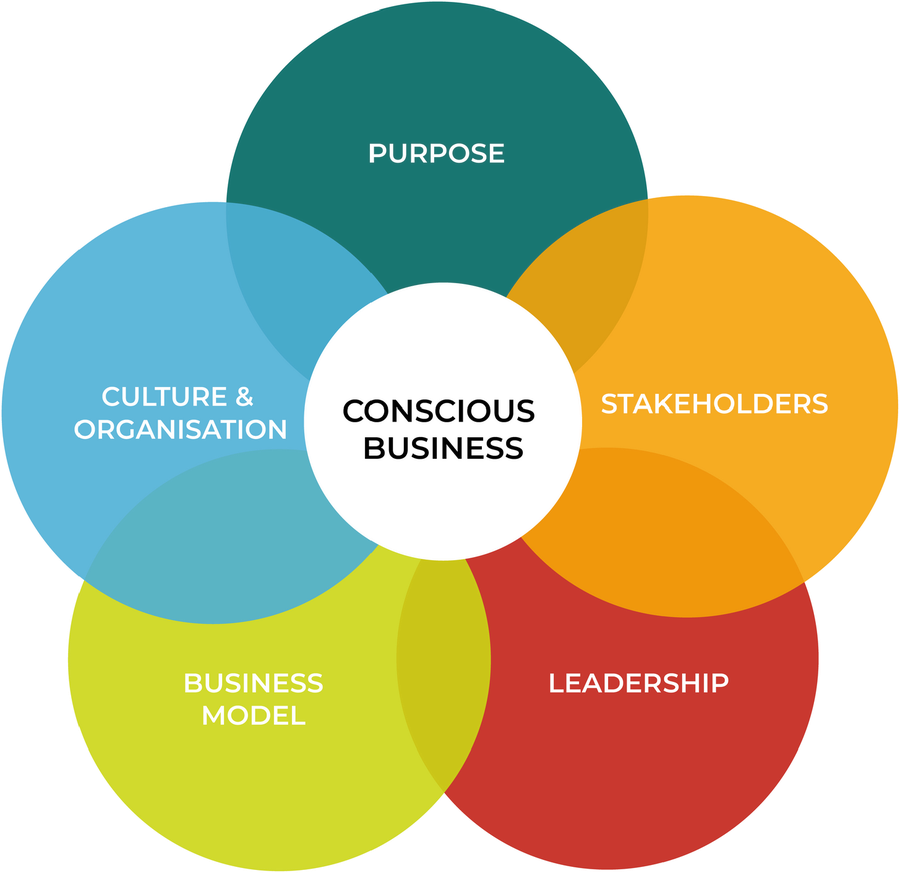
Five pillars. Each one makes the others stronger.

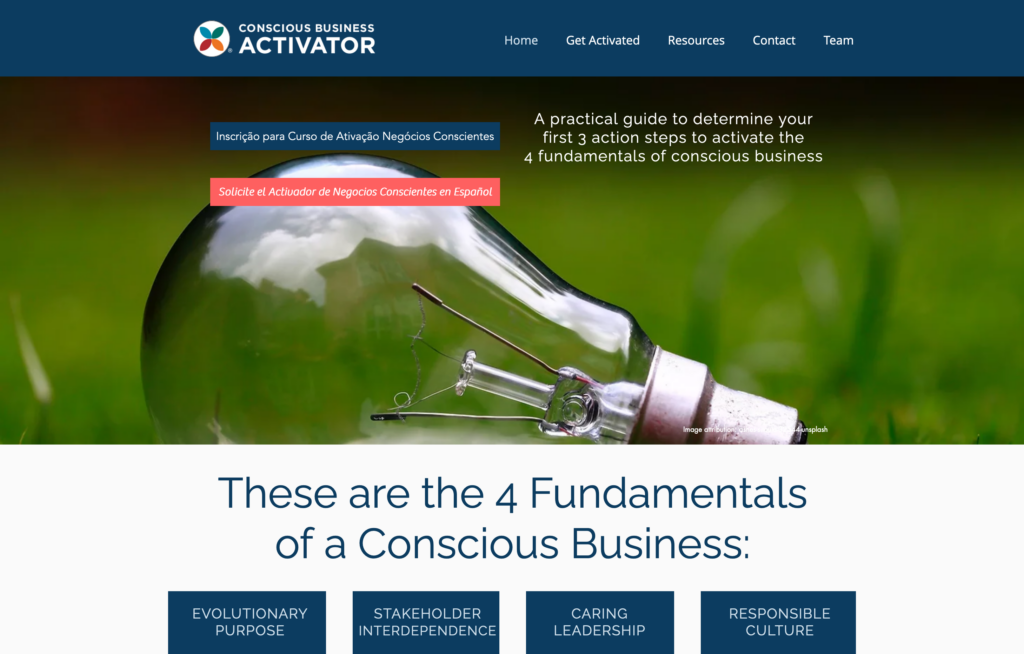
The model behind Conscious Business is inspired by Conscious Capitalism and built for Europe. We added a fifth pillar, the business model, and added organisation to culture. Below, every pillar comes with a short video and a company that lives it.

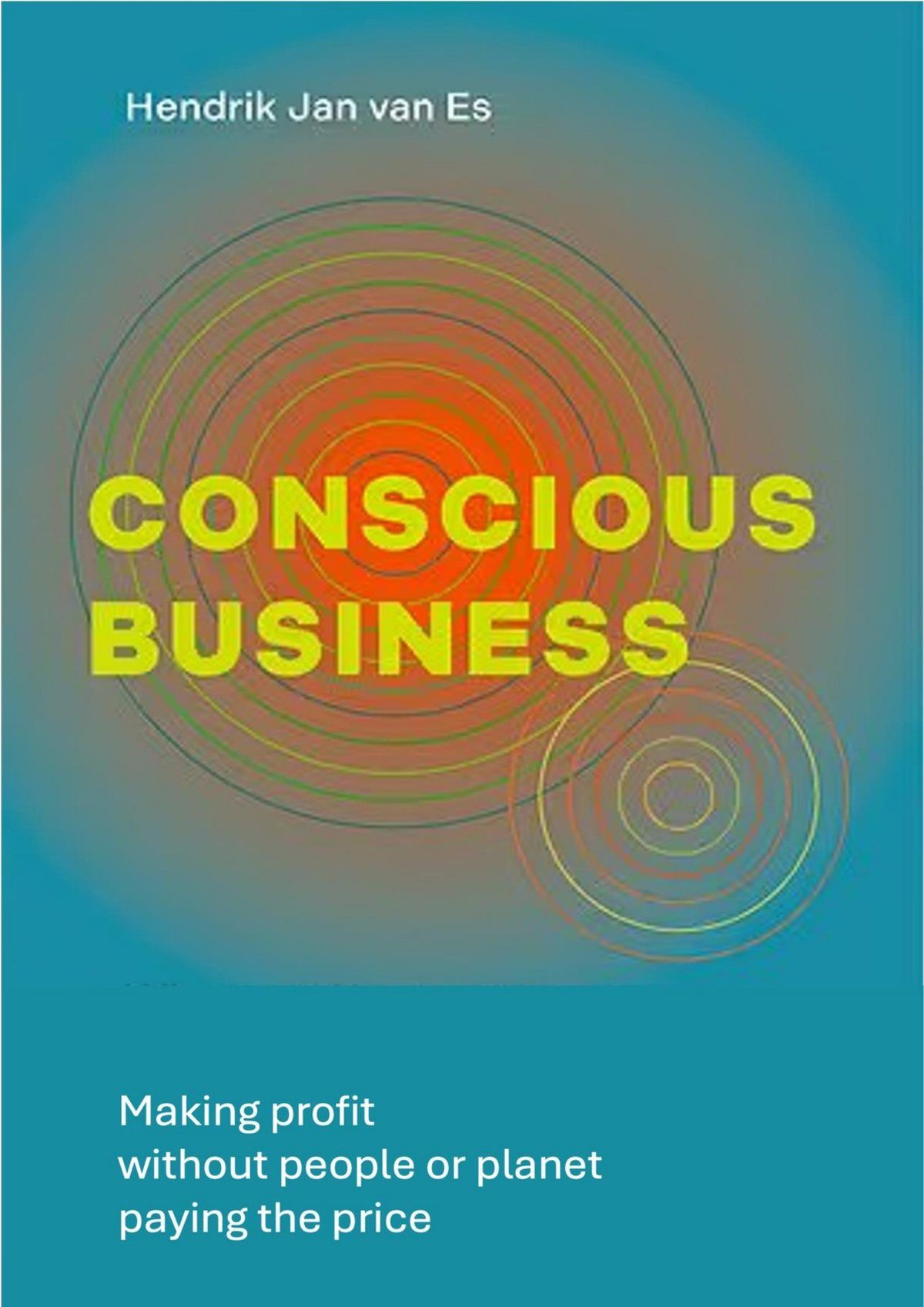
The book Conscious Business by Hendrik Jan van Es

Not a checklist

The pillars are not a checklist. They overlap, and where they meet, in the centre, is a business that is successful for all its stakeholders.

The Conscious Business model: Higher Purpose, Conscious Leadership, Culture & Organisation, Stakeholder Inclusion and Business Model around Conscious Business

The five pillars

Higher Purpose

Why does your company exist, beyond making a profit? Without that answer you have no compass. Profit is a necessary means to achieve your purpose, not an end in itself.

Story

Black Friday 2011. Patagonia bought a full page in The New York Times with four words: “Don't buy this jacket.” It asked its own customers to buy less, because every jacket costs the planet something.
Conscious Leadership

Conscious businesses cannot exist without conscious leaders: people who understand that their role is to serve the purpose of the business, support its people and create value for all its stakeholders.

Story

In 2020, COVID froze XVR Simulation's order book and investors pushed for layoffs. The leadership told their team: we don't know the exact answer. Together they found a new market, the police, and the investors put in more money instead.

Culture & Organisation

Culture is the heartbeat of a business: trust, authenticity, care, transparency, integrity, learning. How you organise determines how agile you are, how much you innovate, and how much freedom and responsibility people feel.

Story

At Ketjen in Amsterdam North, a production team was one person short, below what the safety rules allow. The team said: we'll manage. Their team leader asked whether that also fitted two other company values, care and integrity. It didn't.

Stakeholder Inclusion

Everyone who touches your business, or is touched by it: employees, customers, suppliers, partners, investors, community, environment, sometimes even your competition. You make each other successful.

Story

Nedtrain, part of Dutch Railways, wanted its trains cleaned at night, at the lowest price. Vebego knew night shifts were hard on its people. Together they moved the cleaning to quiet hours in the daytime. Better for the cleaners, cheaper for the railway, and passengers left less litter.

Business Model

Good intentions don't survive a business model that punishes them. Conscious businesses move to models that reward the right choices: product as a service, longer guarantees, materials that go back into circulation.

Story

Mitsubishi Elevator Europe stopped selling lifts. It kept ownership and sold lift movements instead. Less revenue up front, more responsibility, and more profit, because parts went back into circulation.

“Too many businesses generate financial wealth at the expense of social, cultural, environmental, intellectual, physical and spiritual wellbeing. They are extracting value rather than creating value.”

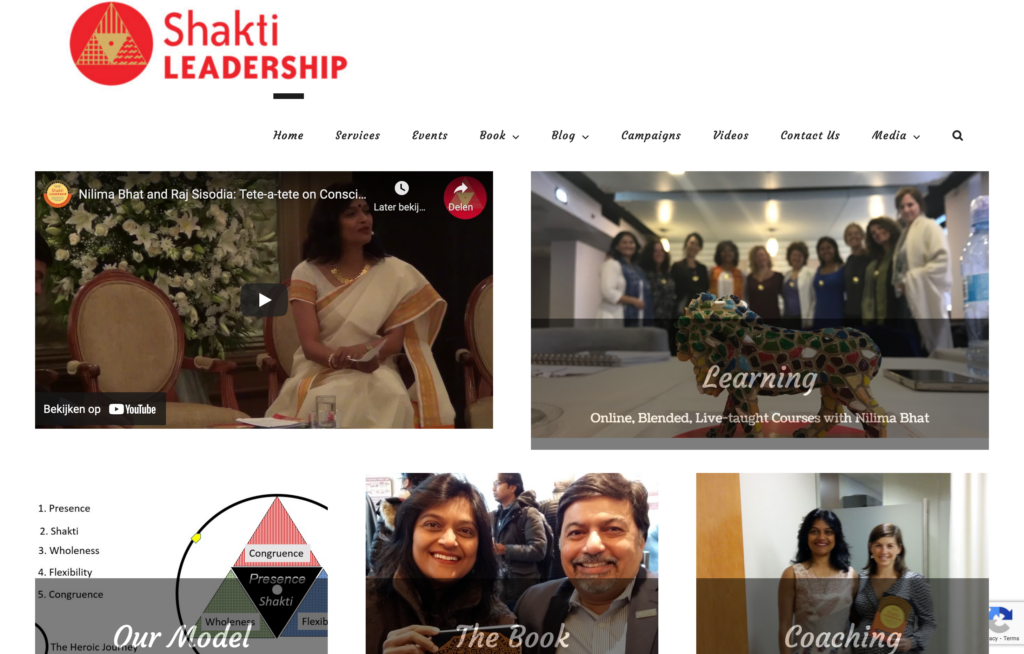
Raj Sisodia, co-author of Conscious Capitalism
The book Conscious Business by Hendrik Jan van Es

The book

Conscious Business by Hendrik Jan van Es. How companies such as Winclove, Auping, Interface, XVR and Mitsubishi Elevator Europe make a profit without people or the planet paying the price, and the concrete steps to do the same.

Let's talk

Half an hour. What you are working on, what you want from the next year, and whether a Circle is the right place for it. If it isn't, we'll say so.

Stay in touch

Stories from the movement, the next dialogues and what leaders in the Circles are learning. Now and then, in your inbox. No spam, unsubscribe any time.