
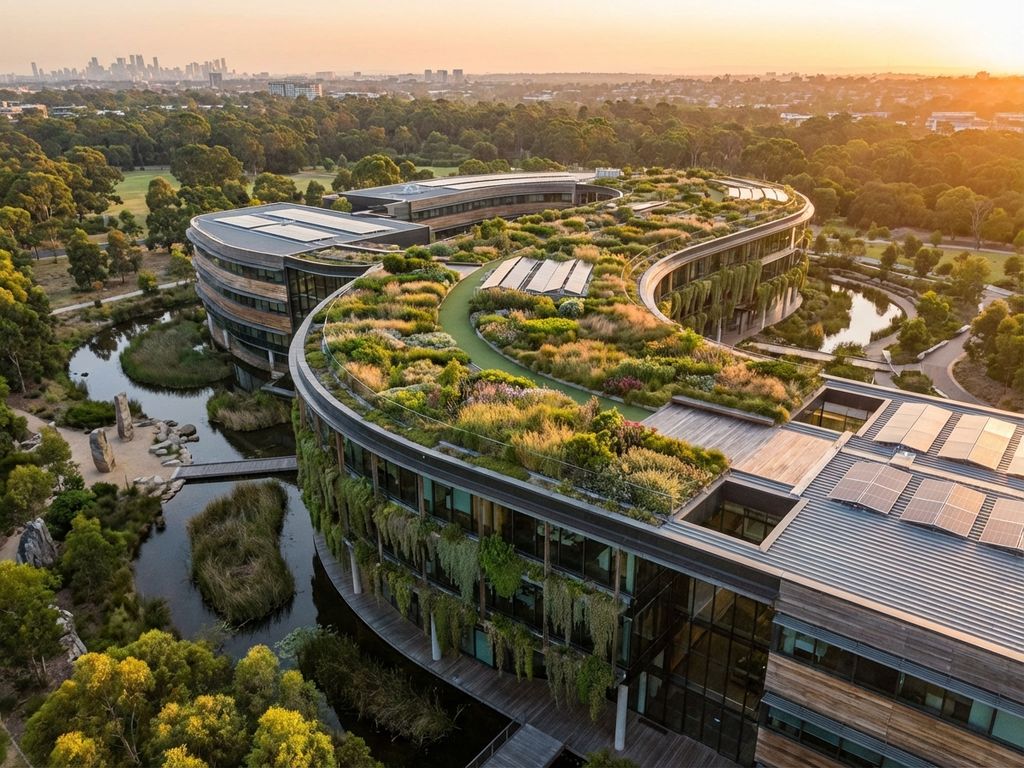
A green business operates with environmental responsibility at its core, integrating sustainable practices into every aspect of operations, from the supply chain to daily decisions. Unlike traditional companies focused primarily on profit, green businesses balance financial success with environmental stewardship and social responsibility. This approach creates long-term value for all stakeholders while reducing environmental impact through conscious business practices.
What exactly is a green business and how is it different from regular companies?
A green business systematically incorporates environmental considerations into its core operations, decision-making processes, and business model. These companies prioritise sustainable business practices alongside profitability, viewing environmental responsibility as integral to long-term success rather than an optional add-on.
The fundamental difference lies in how these companies approach decision-making. Traditional businesses often evaluate choices based primarily on cost and profit margins. Green businesses expand this evaluation to include environmental impact, resource efficiency, and long-term sustainability implications. This means considering the full lifecycle of products and services, from raw material sourcing through to disposal or recycling.
Green businesses also differ in their stakeholder approach. While traditional companies primarily serve shareholders, green businesses recognise that their success depends on creating value for employees, customers, communities, and the environment. This holistic perspective influences everything from supplier selection to employee engagement programmes.
Another distinguishing characteristic is transparency. Green businesses typically maintain open communication about their environmental impact, sustainability goals, and progress. They often publish detailed sustainability reports and actively engage with stakeholders about their environmental performance.
Why are more businesses going green and what benefits do they actually see?
Businesses are adopting green practices due to converging pressures from consumers, regulators, investors, and employees who increasingly expect environmental responsibility. This shift creates competitive advantages through cost savings, risk reduction, and enhanced brand reputation that directly impact the bottom line.
Consumer demand drives much of this change. Today’s customers actively seek out environmentally responsible brands and are willing to pay premium prices for sustainable products. This creates immediate market opportunities for green businesses while putting pressure on traditional competitors to adapt their practices.
Regulatory changes also accelerate the green transition. Governments worldwide are implementing stricter environmental regulations, carbon pricing mechanisms, and sustainability reporting requirements. Companies that proactively adopt green practices position themselves ahead of these regulatory changes rather than scrambling to comply later.
The financial benefits are substantial. Energy efficiency improvements typically reduce operational costs immediately. Waste reduction programmes eliminate disposal fees while often creating new revenue streams through recycling or repurposing materials. Many green businesses also find that sustainable business practices improve operational efficiency by encouraging innovation and process optimisation.
Employee engagement improves significantly in green businesses. Workers increasingly want to work for companies that align with their values. Green businesses often experience lower staff turnover, higher productivity, and easier recruitment of top talent who are attracted to purpose-driven organisations.
How do you transform a traditional business into a green business?
Transforming into a green business requires a systematic approach, starting with a comprehensive assessment of current environmental impact across all operations. This assessment identifies priority areas for change and establishes baseline measurements for tracking progress throughout the transformation process.
Begin by conducting an environmental audit covering energy consumption, waste generation, water usage, supply chain practices, and transportation. This audit reveals the biggest opportunities for environmental improvement and cost savings. Many companies discover that their largest environmental impacts come from unexpected sources.
Develop a clear sustainability strategy with specific, measurable goals and timelines. Successful transformations set both short-term wins and long-term objectives. Short-term goals might include reducing energy consumption by 20% within 12 months, while long-term goals could target carbon neutrality within five years.
Engage employees throughout the transformation process. Green business success depends on everyone understanding and supporting the changes. Provide training on new procedures, explain the reasoning behind changes, and create systems for employees to contribute ideas and feedback.
Start with high-impact, low-cost changes that demonstrate immediate results. This might include switching to LED lighting, implementing recycling programmes, or optimising heating and cooling systems. These early wins build momentum and provide financial resources to fund larger sustainability investments.
Address common challenges proactively. Initial costs for sustainable technologies or processes can be significant, but focus on the total cost of ownership rather than upfront expenses. Many green technologies pay for themselves through operational savings within two to three years.
What are the most effective green business practices that any company can implement?
The most effective green practices combine immediate environmental benefits with clear business advantages. Energy efficiency improvements, waste reduction programmes, and sustainable supply chain practices deliver measurable results that any company can implement regardless of size or industry.
Energy management provides the quickest returns on investment. Switch to LED lighting throughout your facilities, optimise heating and cooling systems, and implement smart controls that adjust energy usage based on occupancy and time of day. These changes typically reduce energy costs by 20–30% while requiring minimal operational changes.
Waste reduction programmes create multiple benefits. Implement comprehensive recycling systems, reduce packaging materials, and find ways to repurpose or sell waste materials. Many companies discover that waste reduction not only eliminates disposal costs but also creates new revenue streams through material recovery.
Digital transformation supports sustainability goals while improving efficiency. Replace paper-based processes with digital alternatives, enable remote work to reduce commuting emissions, and use cloud-based systems that are more energy-efficient than on-premise servers.
Supply chain optimisation makes significant environmental impact. Work with suppliers who share your sustainability commitments, source materials locally when possible to reduce transportation emissions, and evaluate the full lifecycle impact of purchased goods and services.
Employee engagement programmes amplify other green initiatives. Create green teams that identify improvement opportunities, implement suggestion systems for sustainability ideas, and recognise employees who contribute to environmental goals. Engaged employees often identify the most practical and effective sustainability improvements.
Water conservation measures reduce both environmental impact and operational costs. Install low-flow fixtures, implement rainwater collection systems where appropriate, and optimise industrial processes to minimise water usage.
How do you measure success and impact in green business initiatives?
Measuring green business success requires tracking both environmental impact metrics and business performance indicators. Effective measurement systems combine quantitative data like energy consumption and waste reduction with qualitative measures such as stakeholder engagement and brand reputation to provide a complete picture of sustainability progress.
Environmental metrics form the foundation of green business measurement. Track energy consumption, carbon emissions, water usage, waste generation, and recycling rates. These metrics should be measured consistently over time and benchmarked against industry standards to understand your relative performance.
Financial performance indicators demonstrate the business value of sustainability initiatives. Monitor cost savings from efficiency improvements, revenue from new green products or services, and return on investment for sustainability projects. Many companies find that their green initiatives become significant profit centres over time.
Stakeholder engagement metrics reveal how well your sustainability efforts resonate with key audiences. Track customer satisfaction scores related to environmental responsibility, employee engagement with green initiatives, and supplier participation in sustainability programmes.
Operational efficiency measures show how green practices improve business performance. Monitor productivity improvements from workplace sustainability programmes, quality improvements from cleaner processes, and innovation metrics that demonstrate how environmental focus drives business innovation.
Reporting frameworks provide structure for measurement and communication. Many businesses adopt established standards like the Global Reporting Initiative (GRI) or create custom dashboards that track their specific sustainability priorities. Regular reporting helps maintain focus and demonstrates progress to stakeholders.
Technology tools make measurement more accurate and less time-consuming. Smart meters provide real-time energy usage data, waste management systems track disposal and recycling rates automatically, and integrated software platforms combine multiple metrics into comprehensive sustainability dashboards.
The journey towards sustainable business practices represents both an environmental imperative and a strategic opportunity. Companies that embrace green practices today position themselves for long-term success while contributing to a more sustainable future. At Conscious Business, we help organisations navigate this transformation through our comprehensive assessment tools and structured development programmes that support businesses in creating value for all stakeholders while building environmentally responsible operations.