
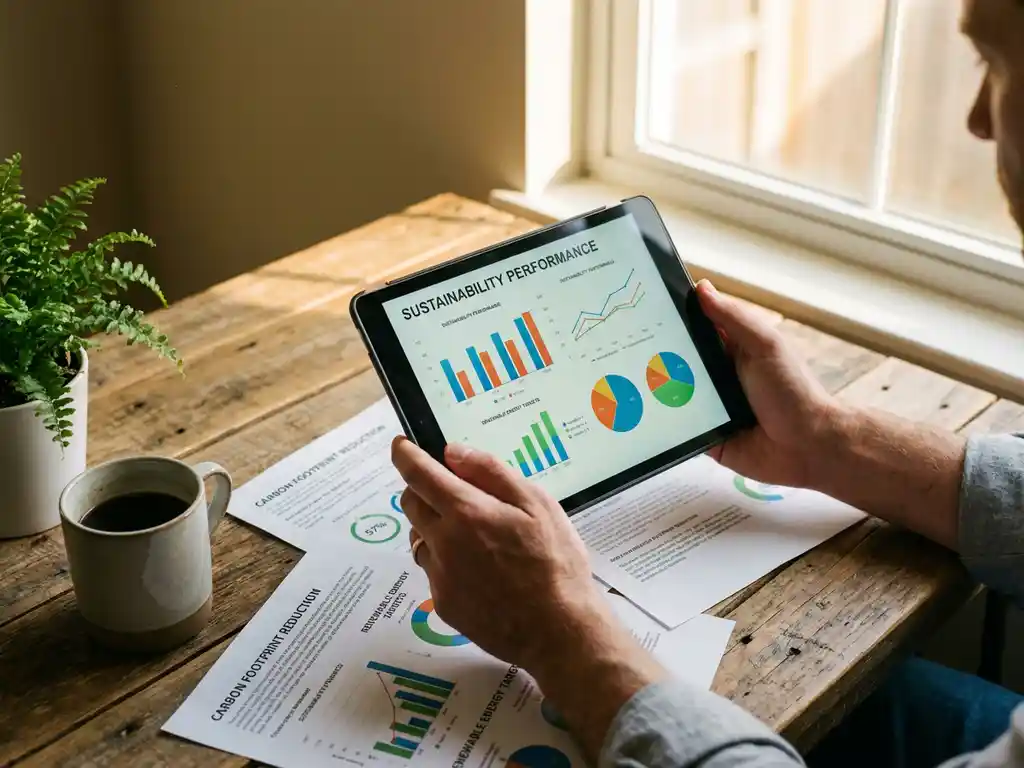
Baseline data sustainability refers to the initial measurements of your organisation’s environmental impact before implementing any improvements. You need comprehensive baseline data to track progress, set realistic targets, and demonstrate genuine sustainability achievements. Without this foundation, your sustainability efforts become guesswork rather than strategic business decisions. This guide covers the most important questions about collecting and using baseline data effectively.
What exactly is baseline data and why do you need it for sustainability?
Baseline data sustainability represents your starting-point measurements across all environmental metrics before making any changes. This data serves as your reference point to measure progress, validate improvements, and communicate results to stakeholders authentically.
Think of baseline data as your sustainability GPS coordinates. Without knowing where you currently stand, you cannot navigate toward your destination effectively. Many organisations rush into sustainability initiatives without proper measurement, leading to wasted resources and unsubstantiated claims.
Your baseline data becomes the foundation for meaningful sustainability reporting. It helps you avoid greenwashing by providing concrete evidence of actual improvements rather than vague promises. This measurement approach also supports regulatory compliance, particularly with frameworks that require documented progress over time.
The data-collection process reveals hidden inefficiencies and unexpected opportunities. You might discover that your water usage peaks during specific processes or that certain departments generate disproportionate waste. These insights guide targeted interventions rather than broad, unfocused efforts.
Which environmental metrics should you measure first?
Energy consumption, carbon emissions, waste generation, and water usage form the core sustainability metrics that most organisations should measure initially. These areas typically offer the greatest impact potential and align with common reporting requirements.
Start with energy consumption because it directly connects to operational costs and carbon-footprint calculations. Track electricity, gas, and fuel usage across facilities, vehicles, and equipment. This data often reveals immediate cost-saving opportunities while building your sustainability measurement capabilities.
Carbon emissions follow naturally from energy data, but expand beyond direct consumption. Include Scope 1 emissions from owned sources, Scope 2 from purchased energy, and relevant Scope 3 emissions from your value chain. Many organisations focus initially on Scopes 1 and 2 before tackling the more complex value-chain measurements.
Waste generation provides tangible improvement opportunities that employees can easily understand and support. Measure total waste volumes, recycling rates, and specific waste streams like packaging materials or electronic equipment. This creates visible progress that builds momentum for broader sustainability KPIs.
Water usage becomes particularly important for manufacturing, food service, or facility-intensive businesses. Track consumption patterns, identify peak usage periods, and measure water-quality impacts where relevant to your operations.
How do you actually collect accurate sustainability data?
Accurate environmental data collection requires systematic measurement tools, consistent processes, and regular verification to ensure reliability. Start with utility bills, invoices, and existing operational records before investing in sophisticated monitoring systems.
Begin with readily available data sources like electricity bills, waste-disposal receipts, and fuel-purchase records. These provide historical baselines without additional investment. Organise this information consistently, using the same units and time periods for meaningful comparisons.
Install measurement devices where direct monitoring adds value. Smart meters for electricity, water-flow monitors, and waste scales provide real-time data that reveals patterns invisible in monthly bills. However, avoid overinvesting in technology before establishing basic data-collection habits.
Create standardised data-collection procedures that different team members can follow consistently. Document measurement methods, timing, and responsible parties. This prevents data-quality issues when personnel change or responsibilities shift.
Common pitfalls include inconsistent measurement timing, mixing different data sources without adjustment, and failing to account for seasonal variations. Establish regular review processes to catch errors early and maintain data integrity throughout your sustainability assessment journey.
What’s the difference between internal data and external benchmarking?
Internal data tracks your own operations over time, while external benchmarking compares your performance against industry standards or similar organisations. Both approaches provide valuable but different insights for data-driven sustainability strategies.
Your internal operational data reveals trends, seasonal patterns, and the impact of specific changes within your organisation. This information guides tactical decisions and demonstrates progress to stakeholders. Internal data remains fully under your control and reflects your unique operational context.
External benchmarking provides industry context and identifies improvement opportunities by comparing your metrics against sector averages or best practices. This approach helps set realistic targets and validates whether your performance represents genuine leadership or merely average results.
Industry benchmarks come from trade associations, sustainability-reporting platforms, and regulatory databases. However, ensure comparisons account for differences in business size, location, and operational characteristics. A manufacturing facility in an older building cannot directly compare energy efficiency with a purpose-built green facility.
Use internal data for tracking progress and making operational decisions. Apply external benchmarking for setting targets, identifying improvement opportunities, and communicating your relative performance. The combination provides both operational insight and strategic context for effective sustainability benchmarking.
How long should you collect baseline data before making improvements?
Collect baseline data for 12–24 months to capture seasonal variations and establish reliable patterns before implementing major changes. However, you can begin immediate improvements while continuing data collection for comprehensive baseline establishment.
A full year of data captures seasonal fluctuations in energy usage, waste generation, and operational patterns. Manufacturing businesses often see significant variations between peak and slow seasons, while office environments show heating and cooling cycles that affect energy consumption dramatically.
Two years of data provide even stronger baselines by revealing year-over-year trends and accounting for unusual circumstances like equipment failures, facility changes, or market disruptions. This extended timeline becomes particularly valuable for business sustainability measurement in volatile industries.
Balance data collection with action by implementing obvious improvements immediately while maintaining measurement consistency. Install energy-efficient lighting or improve waste-sorting practices without waiting for perfect baseline data. Document these changes to maintain measurement integrity.
Consider your specific circumstances when determining collection timeframes. New facilities might need shorter baseline periods to begin improvement programmes, while established operations benefit from longer measurement periods that reveal subtle patterns and opportunities.
The goal remains establishing reliable measurement systems rather than achieving perfect data before taking action. Start measuring immediately, begin obvious improvements quickly, and refine your approach as data quality and organisational capabilities develop.
Establishing comprehensive baseline data creates the foundation for authentic sustainability progress and meaningful stakeholder communication. The measurement process itself often reveals improvement opportunities while building organisational capabilities for long-term environmental stewardship. At Conscious Business, we understand that effective sustainability measurement supports broader organisational transformation toward stakeholder-inclusive business models that benefit everyone involved. Ready to transform your sustainability approach? Discover your conscious business journey and unlock your organisation’s full potential for positive impact.

