
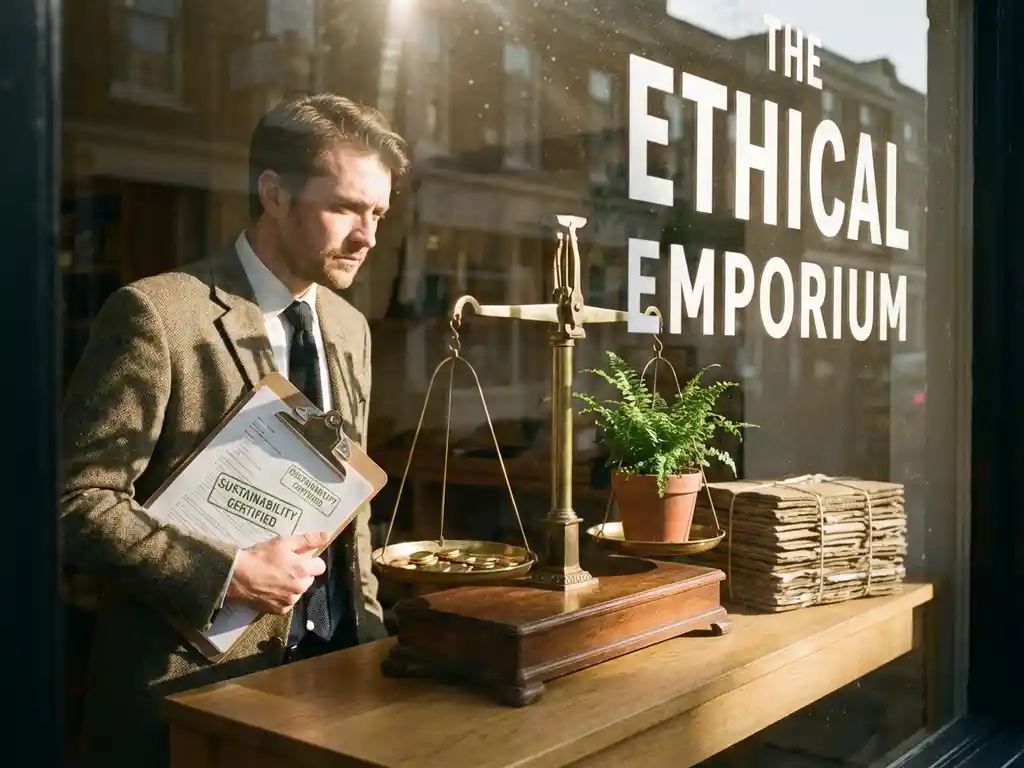
Conscious retailers face distinct challenges that set them apart from businesses in other industries. While all companies pursuing sustainable retail transformation encounter obstacles, retail’s unique characteristics create specific hurdles around direct consumer interaction, complex supply chains, and the constant tension between immediate market demands and long-term conscious business goals. These challenges require specialised approaches to retail stakeholder management and conscious retail leadership.
What makes retail different from other industries when adopting conscious business practices?
Retail operates with direct consumer touchpoints, complex multi-tier supply chains, and fast inventory cycles that create unique pressures when implementing ethical retail practices. Unlike manufacturing or services, retailers must balance immediate consumer expectations with sustainable practices while managing relationships across extensive supplier networks and maintaining competitive pricing in transparent markets.
The direct consumer relationship in retail creates both opportunities and challenges for conscious business implementation. You are constantly visible to customers who can immediately compare your prices, product availability, and practices with competitors. This transparency means any commitment to ethical sourcing or sustainable practices must be genuine and consistently delivered, as customers quickly notice inconsistencies.
Retail’s inventory velocity adds another layer of complexity. Whereas other industries might plan product cycles over years, retailers often work with seasonal demands, trend-driven purchases, and rapid stock turnover. This creates pressure to make quick decisions about sourcing and pricing that may conflict with the longer-term thinking required for a sustainable retail strategy.
The multi-stakeholder environment in retail is particularly challenging. You are simultaneously managing relationships with suppliers, customers, employees, landlords, local communities, and shareholders. Each group has different expectations and timelines, making it difficult to implement changes that satisfy everyone while maintaining your retail purpose beyond profit.
How do conscious retailers balance profit margins with ethical sourcing costs?
Conscious retailers typically face 15–30% higher sourcing costs when choosing ethical suppliers, but successful businesses offset this through premium positioning, operational efficiencies, and long-term customer loyalty. The key lies in viewing ethical sourcing as an investment in brand value rather than simply a cost increase.
Strategic pricing approaches help conscious retailers maintain profitability while absorbing higher sourcing costs. Rather than competing solely on price, successful retailers position themselves in market segments where customers value ethical practices and are willing to pay appropriate premiums. This requires clear communication about your values and the genuine benefits customers receive.
Building long-term supplier partnerships often reduces costs over time. When you commit to ethical suppliers with longer contracts and collaborative relationships, they can invest in improvements that benefit both parties. This approach creates stability that allows suppliers to offer better pricing while maintaining ethical standards.
Operational efficiency gains frequently emerge from conscious practices. Retailers implementing sustainable retail transformation often discover that ethical suppliers provide higher-quality products with lower return rates, reducing handling costs and customer service issues. Additionally, engaged employees in purpose-driven organisations typically demonstrate higher productivity and lower turnover, reducing recruitment and training expenses.
The circular economy approach offers another path to balance costs. Retailers developing take-back programmes, repair services, or product-as-a-service models create additional revenue streams while supporting sustainability goals. These initiatives often strengthen customer relationships and provide competitive differentiation.
Why do conscious retailers struggle more with supply chain transparency than other businesses?
Retail supply chains typically involve 5–15 intermediaries between raw material sources and final products, compared to 2–5 in many manufacturing industries. This complexity makes tracking ethical practices, environmental impact, and working conditions exponentially more difficult, especially when dealing with international suppliers and seasonal production cycles.
The geographical spread of retail sourcing creates particular challenges for conscious retailers. Unlike businesses that might work with local or regional suppliers, retailers often source globally to meet price points and product variety expectations. Monitoring labour practices, environmental standards, and ethical compliance across multiple countries with different regulations requires significant resources and expertise.
Seasonal demand fluctuations force retailers to work with temporary suppliers and subcontractors, making consistent ethical standards difficult to maintain. During peak seasons, even ethical primary suppliers may subcontract work to facilities that do not meet your standards, creating gaps in your sustainability commitments.
The pressure for product variety in retail means working with numerous small suppliers rather than a few large partners. While this provides flexibility and competitive pricing, it makes comprehensive auditing and relationship management much more resource-intensive. Each supplier relationship requires individual assessment, monitoring, and development.
Technology solutions are emerging to address these challenges, but implementation requires significant investment. Blockchain tracking, supplier management platforms, and third-party auditing services help improve transparency, but smaller retailers may struggle with the costs and complexity of these systems.
What consumer behaviour challenges do conscious retailers face that others do not?
Research consistently shows a significant gap between consumers’ stated values and purchasing behaviour, with 73% expressing concern about sustainability but only 26% consistently choosing ethical products. Conscious retailers must navigate this intention–action gap while educating customers and managing expectations around product availability, pricing, and variety.
Price sensitivity remains the biggest barrier to conscious retail success. Even customers who support ethical practices often choose cheaper alternatives when making actual purchases. This creates a constant tension between maintaining accessible pricing and covering the costs of ethical sourcing and sustainable practices.
Education requirements place additional burdens on conscious retailers that conventional businesses do not face. You must invest time and resources in helping customers understand why ethical products cost more, how their purchases create positive impact, and why certain popular products might not align with your values. This educational role requires content creation, staff training, and customer service capabilities beyond typical retail operations.
Managing customer expectations around product availability proves particularly challenging. Conscious retailers often have smaller product ranges due to ethical sourcing limitations, seasonal availability of sustainable materials, or refusal to stock products from suppliers that do not meet standards. Customers accustomed to unlimited choice may find this frustrating, requiring careful communication about your values and alternatives.
The authenticity challenge is particularly acute for conscious retailers. Customers are increasingly sceptical about sustainability claims, meaning every aspect of your business faces scrutiny. From packaging choices to employee treatment, customers expect consistency between your stated values and actual practices. This transparency requirement, while ultimately beneficial, creates pressure that conventional retailers do not experience.
Building customer loyalty in conscious retail requires different approaches from those used in traditional businesses. While conventional retailers might focus on convenience and price, conscious retailers must create emotional connections around shared values, demonstrate genuine impact, and maintain long-term relationships that justify premium pricing.
Despite these challenges, conscious retailers who successfully navigate these obstacles often build stronger, more resilient businesses. The key lies in viewing these challenges as opportunities to create deeper customer relationships, develop innovative solutions, and build competitive advantages that are difficult for conventional retailers to replicate. At Conscious Business, we support retailers through this transformation with tools like our 15-minute assessment, which helps identify where your business stands and provides a roadmap for addressing these unique retail challenges while building sustainable profitability.
Related Articles
- What is the relationship between ESG performance and employee engagement?
- How do you move from transactional to co-creative stakeholder relationships?
- What are the core principles of conscious AI strategy?
- What makes a stakeholder partnership successful?
- How do you score your company's stakeholder relationships?