
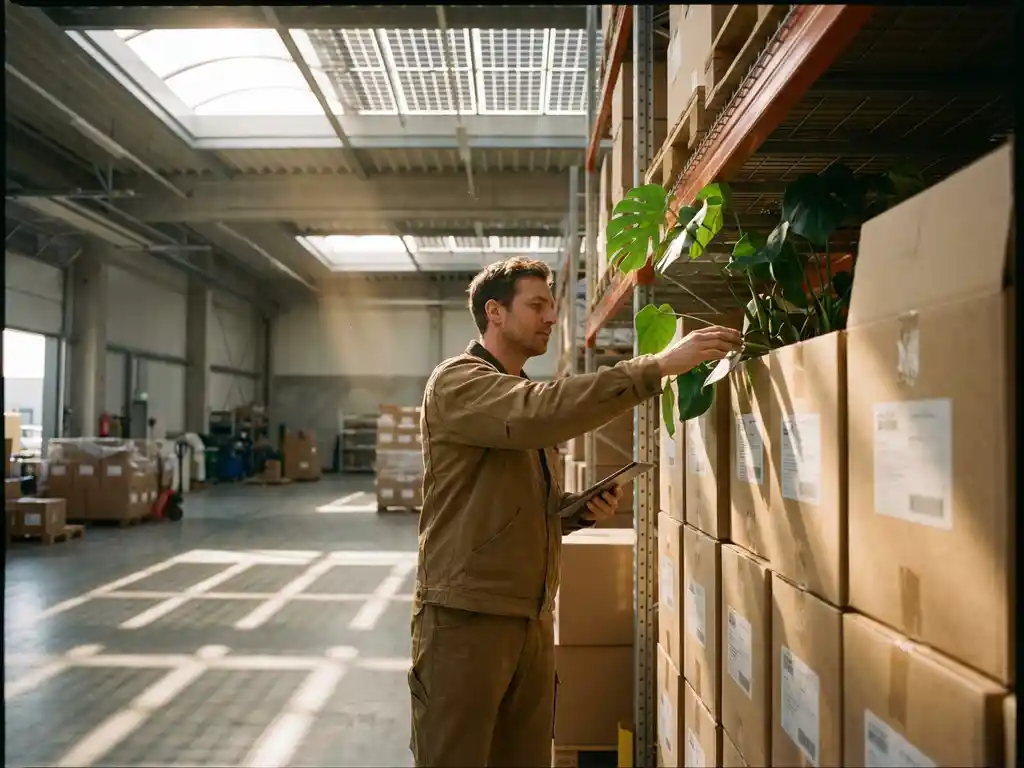
Embedding sustainability into supply chain decisions involves evaluating environmental, social, and economic impacts at every procurement stage. This means choosing suppliers based on their environmental practices, labour standards, and long-term viability rather than just cost and quality. Modern businesses integrate sustainability criteria into vendor selection, contract negotiations, and ongoing supplier relationships to create resilient, responsible supply chains that align with stakeholder expectations and regulatory requirements.
What does sustainability in supply chain decisions actually mean?
Sustainability in supply chain decisions means evaluating suppliers and procurement choices based on their environmental impact, social responsibility, and economic viability alongside traditional factors like cost and quality. This approach considers the full lifecycle of products and services, from raw material extraction to end-of-life disposal.
Environmental sustainability focuses on reducing carbon footprints, minimising waste, conserving resources, and supporting circular economy principles. You might prioritise suppliers who use renewable energy, implement waste reduction programmes, or offer recyclable packaging solutions.
Social sustainability addresses labour practices, human rights, community impact, and ethical business conduct. This includes ensuring fair wages, safe working conditions, and responsible sourcing practices throughout your supply network.
Economic sustainability involves building long-term partnerships with financially stable suppliers who can adapt to changing market conditions. Rather than always choosing the lowest-cost option, you evaluate total cost of ownership, including potential risks and future value creation.
This transformation moves beyond traditional procurement’s narrow focus on price and delivery to consider broader stakeholder impacts. When you embed sustainability into supply chain decisions, you are essentially asking: “How do our purchasing choices affect all stakeholders, including future generations?”
How do you identify which suppliers align with your sustainability goals?
Identifying aligned suppliers requires a structured assessment framework that evaluates potential partners against your specific sustainability criteria. Start by defining clear environmental and social standards that reflect your organisation’s values and stakeholder expectations.
Develop a supplier questionnaire covering key sustainability areas: environmental management systems, carbon reduction initiatives, waste management practices, labour standards, diversity programmes, and community engagement. Request documentation such as sustainability reports, certifications, and third-party audits.
Look for recognised certifications that demonstrate commitment to sustainability standards. These might include ISO 14001 for environmental management, SA8000 for social accountability, Fairtrade certification, or industry-specific standards like Forest Stewardship Council (FSC) certification.
Conduct site visits or virtual assessments to verify claims and observe practices firsthand. Pay attention to how sustainability is integrated into daily operations rather than just documented in policies. Speak with employees at different levels to gauge genuine commitment versus superficial compliance.
Evaluate suppliers’ transparency and willingness to share sustainability data. Partners aligned with your goals will typically welcome discussions about their environmental and social practices and demonstrate continuous improvement efforts.
Consider suppliers’ own supply chain practices. A truly sustainable partner extends sustainability requirements to their suppliers, creating a ripple effect throughout the value chain.
What are the biggest challenges when implementing sustainable supply chain practices?
The primary challenges include higher upfront costs, supplier resistance, and measurement complexity. Many sustainable alternatives initially cost more than conventional options, creating tension between sustainability goals and budget constraints, particularly when stakeholders focus on short-term financial performance.
Supplier resistance often emerges when you introduce new sustainability requirements. Existing partners may lack the resources or expertise to meet enhanced standards, while finding new suppliers who meet both sustainability and operational requirements can be time-consuming and costly.
Global supply chain complexity makes monitoring and verification difficult. When you source from multiple tiers of suppliers across different countries, ensuring consistent sustainability standards becomes increasingly challenging. Cultural differences, varying regulations, and limited visibility into sub-supplier practices complicate oversight.
Measuring sustainability impact presents ongoing difficulties. Unlike traditional metrics such as cost and delivery time, sustainability benefits often take longer to materialise and can be harder to quantify. Establishing meaningful key performance indicators and collecting reliable data requires significant investment in systems and processes.
Balancing sustainability with operational efficiency creates additional tension. Sustainable practices sometimes conflict with lean manufacturing principles or just-in-time delivery requirements, forcing difficult trade-offs between different business objectives.
Internal resistance can emerge when sustainability initiatives disrupt established procurement processes or require additional training and resources from already stretched teams.
How do you measure the impact of your sustainable supply chain decisions?
Measuring impact requires combining quantitative metrics with qualitative assessments to track both environmental and social progress. Establish baseline measurements before implementing changes, then monitor improvements over time using consistent methodologies.
Key environmental metrics include carbon footprint reduction, waste diversion rates, water consumption, energy efficiency improvements, and the percentage of renewable materials used. Track these across your entire supply network, not just direct suppliers.
Social impact indicators might include supplier diversity percentages, labour compliance scores, community investment levels, and employee satisfaction ratings within your supply chain. Monitor working conditions, wage levels, and training programmes provided by key suppliers.
Financial metrics help demonstrate return on investment and business value. Track total cost of ownership, risk reduction benefits, brand value improvements, and customer satisfaction scores related to sustainability initiatives.
Develop supplier scorecards that combine multiple sustainability indicators with traditional performance metrics. Regular supplier reviews should include sustainability performance alongside quality, delivery, and cost discussions.
Use third-party verification and auditing to ensure data accuracy and credibility. Independent assessments provide objective validation of your sustainability claims and help identify areas for improvement.
Create regular reporting mechanisms that communicate progress to stakeholders. Transparent reporting builds trust and accountability while helping identify trends and opportunities for further improvement.
Consider lifecycle assessment tools that evaluate the full environmental impact of products and services from cradle to grave, providing comprehensive insights into your supply chain’s sustainability performance.
Successfully embedding sustainability into supply chain decisions requires commitment, patience, and a systematic approach. The challenges are real, but the benefits – including risk reduction, stakeholder trust, and long-term resilience – make the effort worthwhile. Start with clear goals, engage suppliers as partners, and measure progress consistently. At Conscious Business, we support organisations in developing holistic approaches to sustainable supply chain management that create value for all stakeholders while building competitive advantage. Discover your organisation’s conscious business readiness and take the first step towards transforming your supply chain practices.