
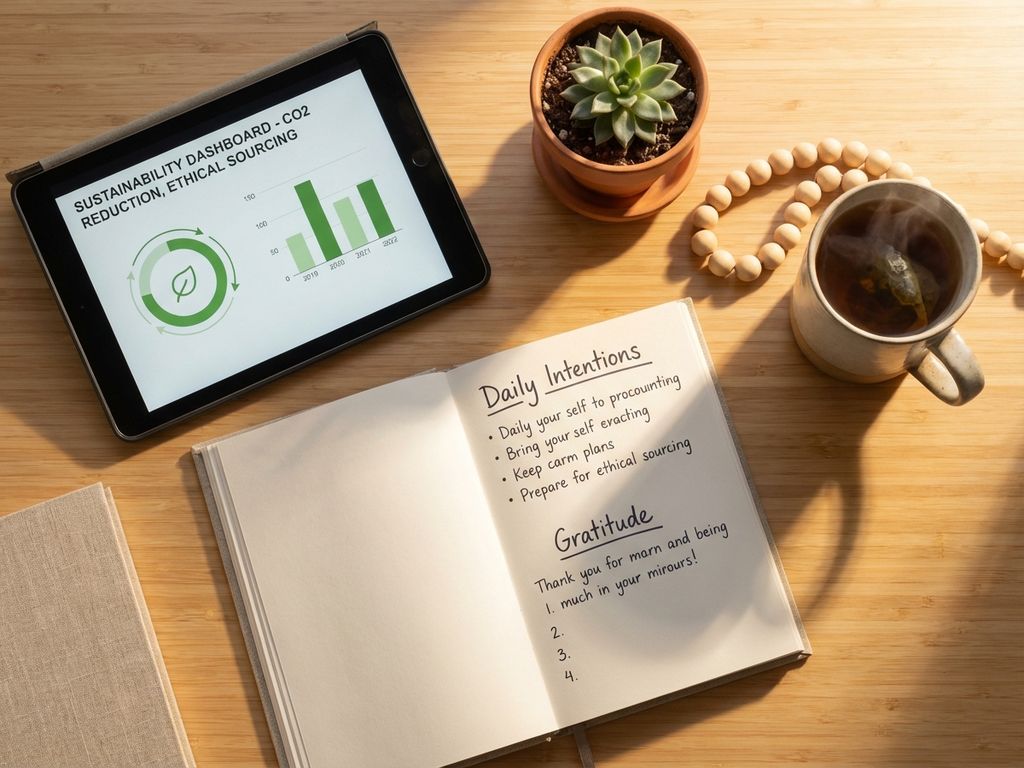
Daily conscious business practices involve integrating stakeholder considerations, purpose-driven decision-making, and mindful leadership approaches into everyday work routines. These sustainable business habits transform traditional operations by embedding conscious leadership practices and stakeholder inclusion into regular workflows. Successful holistic business practices require consistent morning routines, decision-making frameworks, and progress-tracking methods that align daily actions with a conscious business culture and purpose-driven routines.
What does conscious business actually mean in daily operations?
Conscious business in daily operations means making decisions that consider all stakeholders while maintaining profitable outcomes. Rather than focusing solely on short-term financial gains, conscious business operations integrate employee wellbeing, customer value, supplier relationships, community impact, and environmental considerations into everyday activities.
The practical difference becomes clear when you compare traditional and conscious approaches to common business decisions. Traditional operations might prioritise cost reduction through cheaper suppliers, while conscious business operations evaluate supplier relationships based on fair wages, working conditions, and long-term partnership potential. This shift does not compromise profitability – research shows companies meeting conscious criteria outperformed the S&P 500 by 14 times over 15 years.
In daily practice, this means asking different questions before making decisions. Instead of “What’s the cheapest option?” you ask “What creates value for all stakeholders?” This approach transforms routine activities like hiring, purchasing, customer service, and strategic planning into opportunities for positive impact.
Your daily operations become conscious when you consistently apply stakeholder thinking to regular business activities. This includes transparent communication with employees, fair pricing for customers, collaborative relationships with suppliers, and responsible resource usage. These mindful business operations create stronger foundations for sustainable growth.
How do you start your workday with conscious business principles?
Starting your workday with conscious business principles involves setting clear intentions, reviewing stakeholder impacts, and aligning daily priorities with your company’s higher purpose. Effective purpose-driven routines begin with a brief reflection on how your planned activities serve all stakeholders, not just immediate business needs.
Create a morning routine that includes reviewing your company’s purpose statement and identifying how your daily tasks contribute to that larger mission. This conscious leadership practice helps you make decisions throughout the day that align with your organisation’s values and stakeholder commitments.
Practical morning framework:
- Review your purpose statement and ensure your daily priorities are aligned
- Consider which stakeholders your planned activities will affect
- Set intentions for creating value beyond immediate profit
- Identify opportunities for stakeholder collaboration or support
- Plan time for meaningful employee interactions and feedback
This stakeholder consideration framework becomes second nature with consistent practice. Many conscious business leaders spend 10–15 minutes each morning reviewing their calendar through a stakeholder lens, asking how each meeting or decision can create mutual value.
Your morning routine should also include checking in on your team’s wellbeing and energy levels. Conscious leadership practices recognise that employee engagement directly impacts all other stakeholder relationships. When your team feels valued and purposeful, they naturally provide better customer service and make more thoughtful decisions.
What daily habits help you include all stakeholders in business decisions?
Daily stakeholder inclusion habits involve creating simple assessment tools and communication practices that ensure all voices are considered without slowing down operations. The most effective approach is to develop quick stakeholder impact checks that become automatic parts of your decision-making process.
Implement a stakeholder consideration framework by asking five key questions before making any significant decision: How does this affect employees? What is the customer impact? How does this influence supplier relationships? What is the community effect? What are the environmental implications? This holistic business practice ensures comprehensive thinking without lengthy deliberations.
Practical stakeholder inclusion techniques:
- Use stakeholder impact checklists for major decisions
- Schedule regular feedback sessions with different stakeholder groups
- Create communication channels for ongoing stakeholder input
- Implement transparent reporting on stakeholder-related metrics
- Establish cross-functional teams that represent various stakeholder interests
Successful daily stakeholder inclusion requires building these considerations into existing processes rather than creating separate systems. For example, include stakeholder impact as a standard agenda item in team meetings, or add stakeholder questions to project planning templates.
The key is making stakeholder thinking habitual rather than exceptional. When stakeholder consideration becomes part of your standard operating procedures, it does not slow down decision-making – it improves decision quality and reduces the need for costly corrections later.
How do you measure conscious business progress on a daily basis?
Daily conscious business progress measurement involves tracking simple metrics that reflect stakeholder value creation and purpose alignment. Effective measurement focuses on leading indicators that show whether your daily actions support long-term conscious business goals rather than just financial outcomes.
Create a daily scorecard that includes both quantitative and qualitative measures across stakeholder groups. Track employee engagement signals, customer satisfaction indicators, supplier relationship quality, community contribution activities, and environmental impact metrics. These sustainable business habits provide immediate feedback on the development of your conscious business culture.
Daily measurement framework:
- Employee wellbeing check-ins and engagement indicators
- Customer feedback and value-creation metrics
- Supplier relationship quality and collaboration measures
- Community impact activities and contributions
- Environmental resource usage and waste reduction
- Purpose-alignment assessments for major decisions
Simple reflection practices help monitor progress without creating an administrative burden. Spend five minutes at day’s end reviewing how your actions aligned with conscious business principles. This conscious leadership practice builds awareness and improves future decision-making.
Many conscious business leaders use a brief daily assessment tool that rates their performance across stakeholder dimensions. This might include questions like: “Did I make decisions that considered all stakeholders today?” or “How did my actions contribute to our higher purpose?” Regular self-assessment strengthens your commitment to conscious business operations.
The most effective measurement systems track progress rather than perfection. Conscious business development is an ongoing journey, and daily measurement helps you stay on track while learning from both successes and areas for improvement.
Implementing daily practices for conscious business operations transforms how you approach everyday activities. These sustainable business habits create stronger stakeholder relationships, improve decision-making quality, and build more resilient organisations. The key lies in making conscious consideration automatic rather than exceptional.
Ready to assess how conscious your current business operations are? We offer a comprehensive 15-minute assessment that evaluates your organisation across all conscious business dimensions, providing insights into your current state and personalised recommendations for developing more effective daily practices that serve all stakeholders while maintaining profitable growth. Take our conscious business assessment today to discover your organisation’s conscious business potential and receive tailored guidance for your transformation journey.