
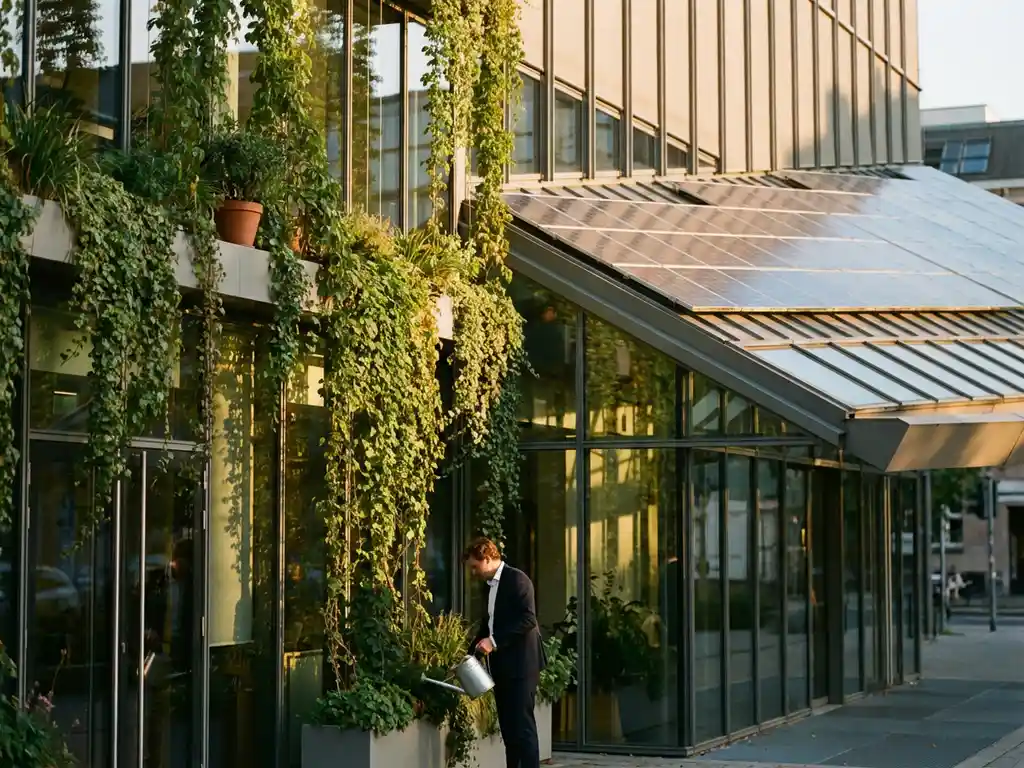
Sustainability in business means operating in ways that create long-term value for all stakeholders while minimising negative impacts on society and the environment. It goes beyond just environmental concerns to include social responsibility and economic viability. Sustainable business practices help companies build resilience, attract customers and talent, reduce costs, and ensure future growth while contributing positively to the world around them.
What does sustainability actually mean for your business?
Business sustainability is a comprehensive approach that balances profit with positive impact on people and the planet. It means making decisions that consider environmental, social, and economic consequences rather than focusing solely on short-term financial gains. This approach, often called the triple bottom line, ensures your business creates value for customers, employees, communities, shareholders, and the environment simultaneously.
In daily operations, sustainability shows up in various ways. You might choose suppliers who share your values, reduce waste in your processes, or create products that solve real problems. It affects how you treat employees, engage with local communities, and plan for the future. Rather than viewing sustainability as an add-on to your business, it becomes woven into how you make decisions at every level.
The beauty of this approach lies in its holistic nature. When you consider all stakeholders in your decision-making, you often discover solutions that benefit everyone. For example, reducing energy consumption saves money while helping the environment. Treating employees well improves productivity and reduces turnover costs. Creating quality products that last builds customer loyalty and reduces returns.
Why should businesses care about sustainability in today’s market?
Today’s market demands sustainable practices from businesses of all sizes. Consumers increasingly choose brands that align with their values, employees want to work for companies with purpose, and investors prioritise businesses that manage environmental and social risks effectively. Ignoring sustainability puts your business at a competitive disadvantage and exposes you to various risks.
The business case for sustainability extends far beyond meeting expectations. Sustainable business practices often lead to cost savings through improved efficiency, reduced waste, and lower resource consumption. Many companies discover that sustainable approaches spark innovation, leading to new products, services, and markets they hadn’t previously considered.
Regulatory pressures are also intensifying globally. Governments are implementing stricter environmental standards, carbon pricing, and reporting requirements. Companies that proactively adopt sustainable practices position themselves better to comply with current and future regulations. They also build stronger relationships with stakeholders who increasingly evaluate businesses based on their broader impact, not just financial performance.
Talent attraction and retention represent another compelling reason. Skilled workers, particularly younger generations, actively seek employers whose values match their own. Companies known for sustainable practices often find it easier to attract top talent and experience higher employee engagement and loyalty.
What are the main types of sustainability that affect businesses?
Business sustainability encompasses three interconnected pillars: environmental, social, and economic sustainability. Environmental sustainability focuses on minimising your ecological footprint through responsible resource use, waste reduction, and pollution prevention. This includes energy efficiency, sustainable sourcing, circular economy principles, and protecting natural ecosystems.
Social sustainability addresses how your business affects people and communities. It covers employee wellbeing, fair labour practices, diversity and inclusion, community engagement, and human rights throughout your supply chain. Companies practising social sustainability ensure their operations contribute positively to society rather than causing harm or exploitation.
Economic sustainability ensures your business remains financially viable while creating shared value. This means building resilient business models that can adapt to changing conditions, investing in long-term relationships rather than short-term gains, and contributing to economic development in the communities where you operate.
These pillars work together in practice. A manufacturing company might implement environmental sustainability by reducing water usage, social sustainability by ensuring safe working conditions, and economic sustainability by building efficient processes that reduce costs while maintaining quality. Each pillar reinforces the others, creating a more robust and resilient business.
How do you start implementing sustainable practices in your business?
Begin your sustainability journey by assessing your current impact across environmental, social, and economic dimensions. Look at your operations, supply chain, and stakeholder relationships to understand where you’re already doing well and where improvements are needed. This baseline assessment helps you prioritise actions and measure progress over time.
Start with quick wins that align with your business goals and values. These might include reducing energy consumption, improving recycling programmes, or enhancing employee wellbeing initiatives. Quick wins build momentum and demonstrate that sustainability can benefit both your business and broader stakeholders without overwhelming your resources.
Engage your team throughout the process. Sustainability works best when everyone understands why it matters and how they can contribute. Provide training, encourage ideas, and recognise contributions. Many of the best sustainability innovations come from employees who understand daily operations and can spot improvement opportunities.
Set clear, measurable goals that connect to your business strategy. Rather than adopting generic sustainability targets, choose objectives that make sense for your industry, size, and context. Track progress regularly and be transparent about both successes and challenges. This transparency builds trust with stakeholders and helps you learn from setbacks.
What challenges do businesses face when becoming more sustainable?
Cost concerns often top the list of sustainability challenges, particularly for smaller businesses with limited budgets. Many sustainable solutions require upfront investment before delivering long-term savings. However, focusing on efficiency improvements and waste reduction can often provide immediate cost benefits while building towards larger sustainability goals.
Resistance to change represents another common obstacle. Employees, suppliers, or even customers might be hesitant to adopt new practices. Overcome this by clearly communicating the benefits, starting with willing participants, and demonstrating success before expanding initiatives. Change management becomes particularly important when sustainability affects established workflows or relationships.
Measuring and communicating progress can prove challenging, especially for smaller businesses without dedicated sustainability teams. The key is starting simple with metrics that matter to your stakeholders and gradually building more sophisticated measurement systems as your programme matures. Avoid getting overwhelmed by complex frameworks that don’t add practical value.
Greenwashing risks emerge when companies overstate their sustainability efforts or make claims they can’t substantiate. Prevent this by being honest about your journey, acknowledging areas for improvement, and focusing on genuine impact rather than marketing messages. Authenticity builds stronger stakeholder relationships than perfect sustainability credentials.
Understanding sustainability doesn’t have to be overwhelming. Start by assessing where your business currently stands, then take practical steps that align with your values and goals. The journey towards more conscious business practices benefits not only your bottom line but also the communities and environment that support your success. We at Conscious Business help organisations navigate this transformation through practical tools and guidance that make sustainable business practices accessible and achievable for companies of all sizes.