
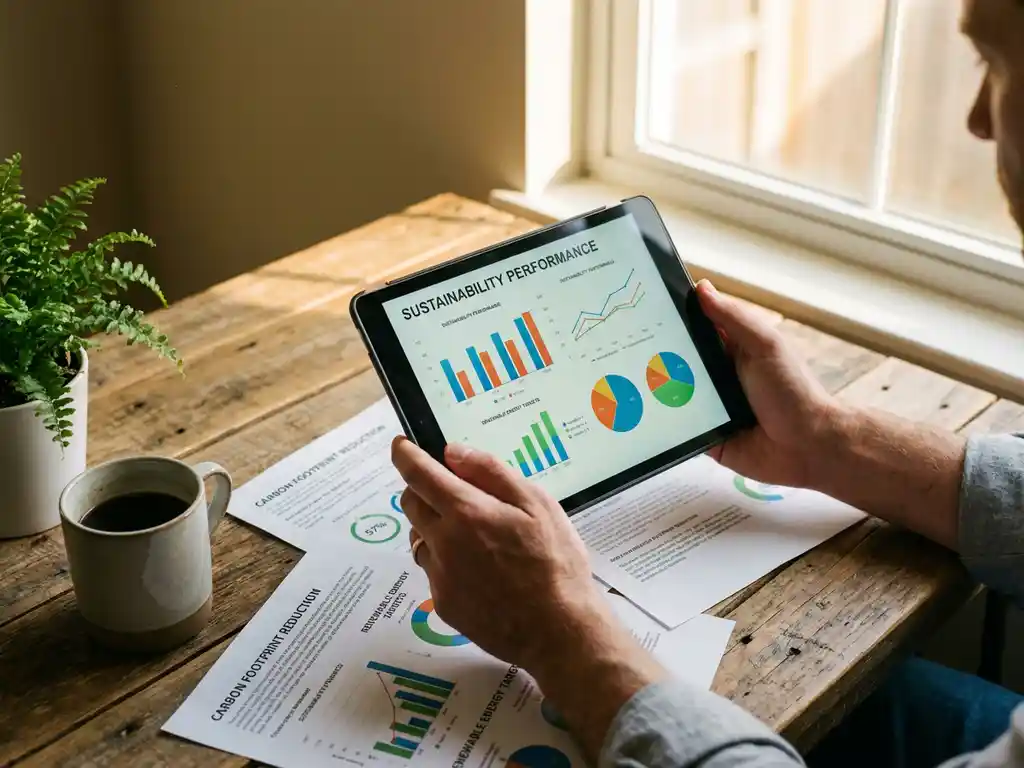
Baseline data sustainability refers to the initial measurements of your organisation’s environmental impact before implementing any improvements. Without this foundation, your sustainability efforts become guesswork rather than strategic decisions. Here is what you need to know to collect and use baseline data effectively.
Why baseline data matters
Baseline data sustainability gives you a clear starting point to measure progress, set realistic targets, and communicate genuine results to stakeholders. Think of it as your sustainability GPS: without knowing where you currently stand, you cannot navigate toward your destination effectively.
Solid baseline data helps you avoid greenwashing, supports regulatory compliance, and reveals hidden inefficiencies — such as water usage peaks or departments generating disproportionate waste — that guide targeted action.
What to measure and how to collect it
Start with these four core metrics, which offer the greatest impact potential and align with common reporting requirements:
- Energy consumption — electricity, gas, and fuel across facilities, vehicles, and equipment
- Carbon emissions — Scope 1 (owned sources), Scope 2 (purchased energy), and relevant Scope 3 (value chain)
- Waste generation — total volumes, recycling rates, and specific waste streams
- Water usage — consumption patterns, peak periods, and quality impacts where relevant
For data collection, begin with what you already have: utility bills, waste-disposal receipts, and fuel-purchase records. These provide historical baselines at no extra cost. Where direct monitoring adds value, install smart meters or waste scales to capture real-time patterns. Most importantly, create standardised procedures so different team members collect data consistently and errors are caught early.
Internal data vs. external benchmarking
Both approaches serve different purposes in a data-driven sustainability strategy:
- Internal data tracks your own trends over time and guides operational decisions. It reflects your unique context and demonstrates progress to stakeholders.
- External benchmarking compares your performance against industry standards, helping you set realistic targets and assess whether your results represent genuine leadership or simply average performance.
Use internal data for tracking and decision-making. Apply external benchmarking for target-setting and communicating relative performance. Together, they provide both operational insight and strategic context for effective sustainability benchmarking.
How long should you collect data before acting?
Aim to collect baseline data for 12 to 24 months to capture seasonal variations and establish reliable patterns. A full year covers fluctuations in energy use and waste generation; two years reveal year-over-year trends and account for unusual circumstances.
That said, do not wait for perfect data before taking action. Implement obvious improvements — such as energy-efficient lighting or better waste sorting — immediately, and document these changes to maintain measurement integrity. The goal is reliable measurement systems, not perfect data before you begin.
Establishing comprehensive baseline data creates the foundation for authentic sustainability progress and meaningful stakeholder communication. At Conscious Business, we understand that effective sustainability measurement supports broader organisational transformation toward stakeholder-inclusive business models that benefit everyone involved. Ready to transform your sustainability approach? Discover your conscious business journey and unlock your organisation’s full potential for positive impact.
Related Articles
- How do you build a conscious leadership program for managers?
- What tools do HR directors use to assess organizational culture in 2026?
- How does AI enhance organizational consciousness measurement?
- How do conscious practices affect workflow efficiency?
- What does a comprehensive business assessment include?