
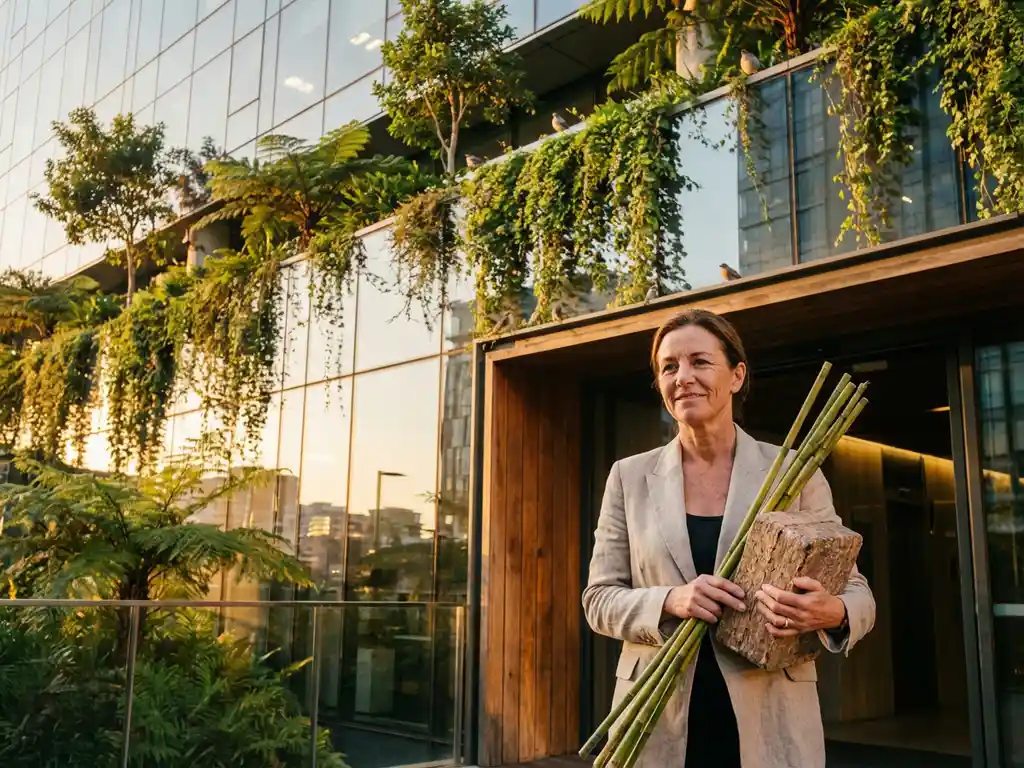
A conscious real estate business prioritises stakeholder value alongside financial returns, transforming property development through sustainable practices and community-focused decision-making. Here’s what that looks like in practice.
What does it mean to run a conscious real estate business?
Running a conscious real estate business means operating with a higher purpose beyond profit — creating genuine value for tenants, communities, investors, and the environment. Where traditional property models follow shareholder capitalism, conscious businesses adopt stakeholder capitalism: sustainable success requires serving everyone affected by their operations.
In practice, this means:
- Developing properties that enhance communities rather than simply extracting value from them
- Creating affordable housing, preserving local character, and supporting small businesses
- Embracing transparency and actively seeking input from community members during planning
- Aligning financial incentives with social and environmental outcomes
This collaborative approach often reveals opportunities that purely profit-driven models miss.
Balancing profit with community impact
Conscious real estate companies align stakeholder success with business success, turning the traditional trade-off between profit and purpose into mutually reinforcing outcomes.
One effective approach is the “product as a service” model — focusing on providing housing solutions or workspace experiences rather than simply selling or renting properties. This shifts incentives toward long-term tenant satisfaction and community stability.
A useful example: when cleaning company Vebego improved working conditions for cleaners at Dutch Railways, trains became cleaner, passengers felt safer, and vandalism dropped. Similarly, conscious real estate companies find that addressing community concerns early prevents costly problems later — while creating unexpected benefits.
The principle is straightforward: your business is only as strong as your weakest stakeholder. Genuinely serving community needs attracts better tenants, reduces regulatory risks, and builds competitive advantages that profit-focused competitors cannot easily replicate.
Sustainable practices and how to measure success
Conscious property development goes beyond basic compliance. Key sustainable practices include:
- Environmental: designing for extended lifecycles, material reuse, energy efficiency, and climate resilience
- Social: providing affordable housing, preserving cultural heritage, and ensuring accessibility for all residents
- Economic: hiring local contractors, sourcing materials regionally, and creating spaces for community enterprises
Measuring success in a conscious real estate business requires comprehensive stakeholder value metrics — not just financial performance, but also social, environmental, and community impact indicators.
These include:
- Tenant retention rates and community approval ratings
- Employee engagement and supplier relationship quality
- Resource consumption, waste reduction, and carbon footprint
- Affordable housing provision and local employment creation
Research shows that companies meeting conscious business criteria often outperform traditional competitors financially — with some studies indicating 14x better performance over 15-year periods.
Ready to make the shift?
Conscious real estate represents a fundamental shift from profit maximisation to stakeholder capitalism. By aligning financial success with community benefit and environmental stewardship, these companies build more resilient, innovative, and ultimately more profitable enterprises.
At Conscious Business, we support real estate companies in this transition through our structured approach and assessment tools. Take our Conscious Business Scan to discover your company’s potential for conscious transformation.