
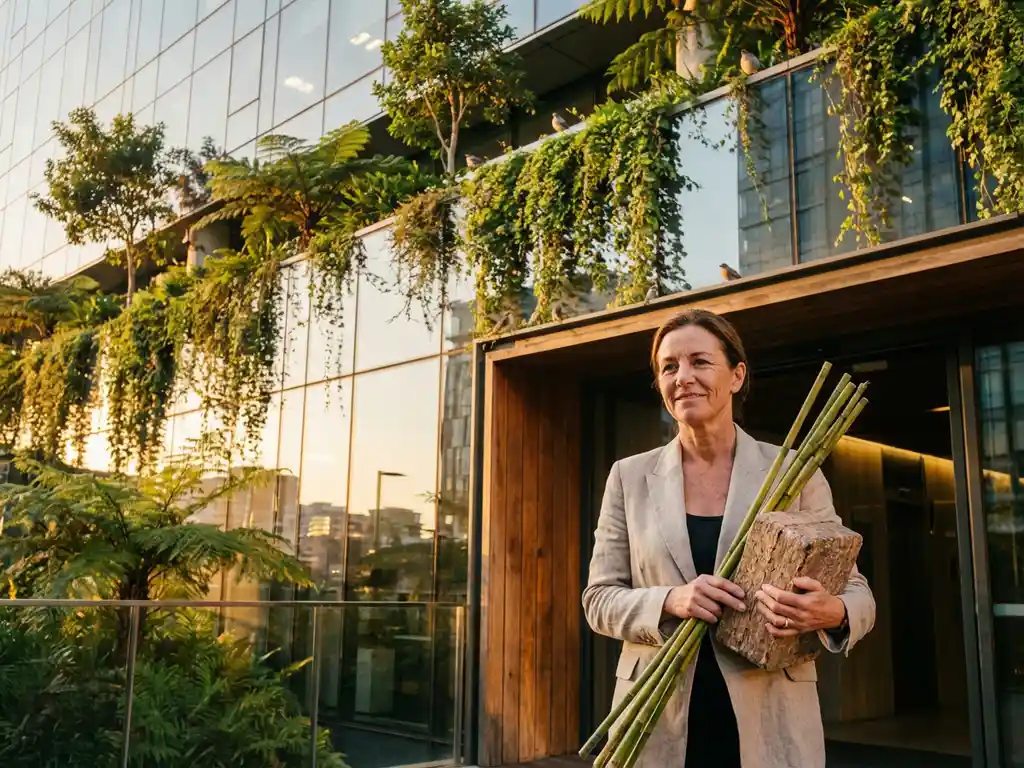
A conscious real estate business operates by prioritising stakeholder value creation alongside financial returns, transforming traditional property development through sustainable practices and community-focused decision-making. This approach balances profit with genuine social and environmental impact, creating long-term value for all parties involved. Here’s how conscious property companies redefine success through purpose-driven business models.
What does it actually mean to run a conscious real estate business?
Running a conscious real estate business means operating with a higher purpose that extends beyond profit maximisation to create genuine value for all stakeholders – tenants, communities, investors, and the environment. This approach fundamentally differs from traditional property models by integrating social responsibility and environmental stewardship into every business decision.
Traditional real estate often follows the shareholder capitalism model, where maximising investor returns takes priority over other considerations. Conscious property businesses adopt stakeholder capitalism instead, recognising that sustainable success requires serving everyone affected by their operations. This shift reflects changing market conditions, where talent, innovation, and environmental health have become scarcer resources than capital itself.
The conscious approach involves developing properties that enhance communities rather than simply extracting value from them. This might include creating affordable housing options, preserving local character, supporting small businesses, or designing buildings that contribute positively to neighbourhood dynamics. The business model aligns financial incentives with social and environmental outcomes.
Conscious real estate companies also embrace transparency in their operations, openly sharing their decision-making processes with stakeholders. They actively seek input from community members, future tenants, and local organisations during planning phases. This collaborative approach often reveals opportunities that purely profit-driven models miss, leading to more innovative and successful developments.
How do conscious real estate companies balance profit with community impact?
Conscious real estate companies balance profit with community impact by aligning stakeholder success with business success, creating business models where serving community needs directly contributes to financial performance. This approach transforms traditional trade-offs between profit and purpose into mutually reinforcing outcomes.
One effective strategy involves the “product as a service” model, similar to how some companies sell mobility solutions rather than just elevators. Real estate businesses might focus on providing housing solutions or workspace experiences rather than simply selling or renting properties. This shifts incentives toward long-term tenant satisfaction and community stability, as business success depends on ongoing relationships rather than quick transactions.
Conscious property companies also invest in understanding their stakeholders’ deeper needs. When cleaning company Vebego partnered with Dutch Railways, they discovered that better working conditions for cleaners led to cleaner trains, which made passengers feel safer and reduced vandalism. Similarly, real estate companies find that addressing community concerns early often prevents costly problems later while creating unexpected benefits.
The key lies in recognising that your business is only as strong as your weakest stakeholder. By genuinely serving community needs – whether through affordable housing, local employment, or environmental improvements – conscious real estate companies build stronger foundations for long-term profitability. This approach attracts better tenants, reduces regulatory risks, and creates competitive advantages that purely profit-focused competitors cannot match.
What sustainable practices define conscious property development?
Sustainable practices in conscious property development centre on circular economy principles and regenerative design that minimise environmental impact while creating lasting value for communities. These practices extend far beyond basic compliance to embrace innovative approaches that heal rather than harm local ecosystems.
Environmental sustainability involves designing buildings for extended lifecycles and material reuse. This includes using renewable materials, implementing energy-efficient systems, and planning for future adaptability. Some companies design buildings that can be completely disassembled and reproduced, similar to how Auping created fully recyclable mattresses. This approach transforms waste streams into future resources.
Social sustainability focuses on creating inclusive communities that serve diverse populations. This involves providing affordable housing options, supporting local businesses, preserving cultural heritage, and ensuring accessibility for all residents. Conscious developers actively engage with existing communities to understand their needs and incorporate feedback into design processes.
Economic sustainability ensures that developments contribute to local prosperity rather than displacing it. This might involve hiring local contractors, sourcing materials regionally, or creating spaces for community enterprises. The goal is to generate positive economic impact that extends beyond the immediate development to strengthen the broader local economy.
Water management, biodiversity preservation, and climate resilience also define conscious development. Projects incorporate natural drainage systems, native landscaping, and designs that adapt to changing climate conditions. These practices often reduce long-term maintenance costs while providing environmental benefits that enhance property values over time.
How do you measure success in a conscious real estate business?
Success in a conscious real estate business is measured through comprehensive stakeholder value metrics that track financial performance alongside social, environmental, and community impact indicators. This holistic measurement approach provides a complete picture of business effectiveness and long-term sustainability.
Financial metrics remain important but are balanced with stakeholder satisfaction measures. This includes tenant retention rates, community approval ratings, employee engagement scores, and the quality of supplier relationships. Research shows that companies meeting conscious business criteria often outperform traditional competitors financially, with some studies indicating 14x better performance over 15-year periods.
Environmental impact measurement tracks resource consumption, waste reduction, energy efficiency, and carbon footprint reduction. Many conscious real estate companies use frameworks that assess their contribution to planetary boundaries and circular economy principles. These metrics help identify opportunities for improvement while demonstrating environmental stewardship to stakeholders.
Social impact indicators measure community development outcomes, affordable housing provision, local employment creation, and cultural preservation. These metrics help conscious businesses understand their broader societal contribution and identify areas where they can strengthen community relationships.
The measurement framework also includes innovation indicators that track new solution development, stakeholder collaboration success, and progress toward the company’s higher purpose. Many conscious businesses use assessment tools that evaluate their development across multiple dimensions, providing personalised roadmaps for continued improvement. This ongoing measurement enables continuous refinement of the business model while maintaining accountability to all stakeholders.
Conscious real estate represents a fundamental shift in how property businesses create value, moving beyond traditional profit maximisation to embrace stakeholder capitalism. By aligning financial success with community benefit and environmental stewardship, these companies build more resilient, innovative, and ultimately profitable enterprises. The measurement frameworks and sustainable practices outlined here provide practical pathways for property businesses ready to embrace this transformation.
At Conscious Business, we support real estate companies in their journey toward stakeholder-focused operations through our structured approach and assessment tools. The transition to conscious business practices creates opportunities for enhanced performance across all dimensions while contributing to a more sustainable and equitable property sector. Ready to transform your real estate business? Take our Conscious Business Scan to discover your company’s potential for conscious transformation.