
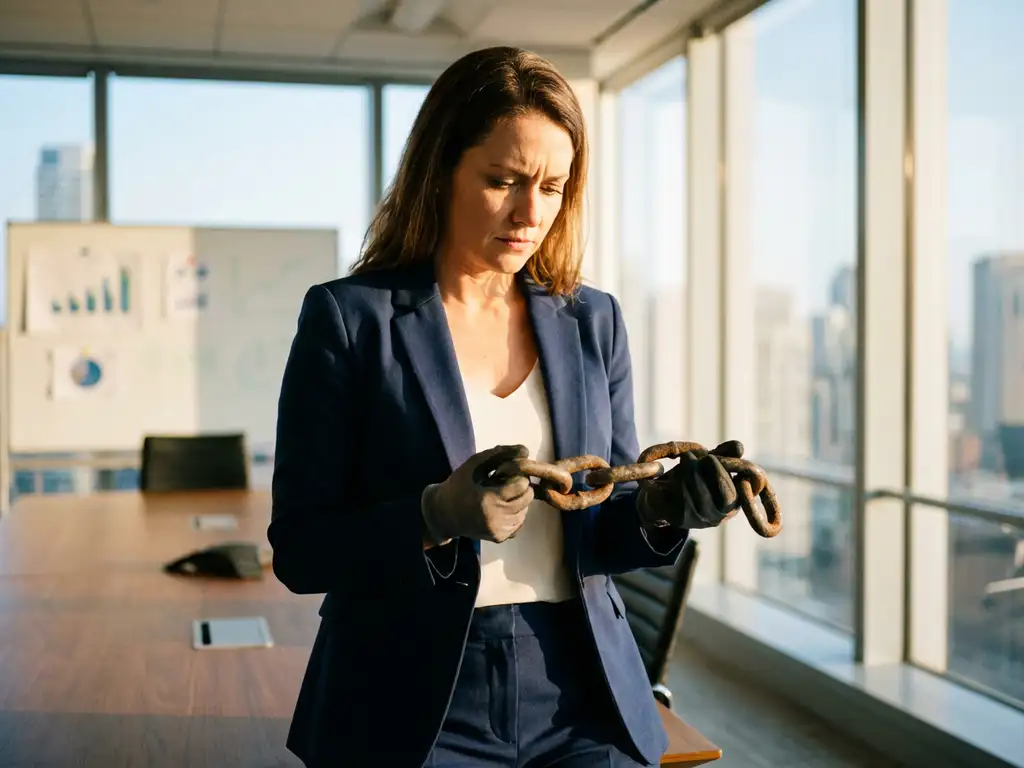
Conscious businesses approach supplier failures fundamentally differently from traditional companies. Instead of viewing suppliers as replaceable vendors, they see them as integral stakeholders whose success directly impacts all other relationships. This stakeholder inclusion approach transforms crisis management into collaborative problem-solving, creating stronger partnerships and more resilient supply chains that benefit everyone involved.
What makes supplier failures different for conscious businesses?
Conscious businesses view supplier failures through a stakeholder inclusion lens rather than purely transactional relationships. When a supplier fails, they immediately consider impacts on employees, communities, end customers, and the environment alongside financial concerns.
Traditional companies often treat supplier failures as isolated incidents requiring quick replacement: you find another vendor, switch contracts, and move on. Conscious businesses recognise that supplier relationships exist within interconnected systems where one failure ripples through multiple stakeholder groups.
This holistic approach means conscious leaders ask different questions during supplier crises. Instead of “How quickly can we replace them?” they consider “How does this failure affect our employees’ ability to serve customers? What impact does this have on the supplier’s workforce? How can we maintain our higher purpose while addressing immediate needs?”
The stakeholder inclusion principle transforms supplier risk management into collaborative relationship-building. Research shows that companies operating with genuine stakeholder consideration achieve up to 90% employee engagement, compared with the European average of just 13%. This higher engagement translates into more creative problem-solving during supplier crises.
Conscious businesses also recognise that their success depends on their weakest stakeholder. A supplier failure is not just their problem – it is a shared challenge that requires collective solutions. This perspective leads to more sustainable recovery strategies that strengthen the entire supply network.
How do conscious businesses prevent supplier failures before they happen?
Conscious businesses prevent supplier failures through proactive, stakeholder-inclusive selection criteria and transparent communication systems. They build relationships based on shared values and higher-purpose alignment rather than purely price-focused negotiations.
The prevention strategy starts with conscious supplier selection. Instead of choosing suppliers based solely on cost and delivery metrics, conscious businesses evaluate potential partners against their five pillars: higher-purpose alignment, conscious leadership capability, cultural compatibility, stakeholder treatment, and business model sustainability.
You will find conscious businesses asking suppliers about their employee engagement levels, environmental practices, and community contributions during the selection process. They want partners who share similar values around stakeholder inclusion because aligned suppliers are more likely to communicate problems early and work collaboratively on solutions.
Transparent communication systems form the backbone of failure prevention. Conscious businesses establish regular check-ins that go beyond order status updates. They discuss market challenges, capacity constraints, and potential risks openly. This transparency allows both parties to identify and address problems before they become failures.
Collaborative risk assessment processes involve suppliers in strategic planning conversations. Rather than imposing requirements, conscious businesses work with suppliers to understand their challenges and co-create solutions. This might include sharing forecasts earlier, providing development support, or adjusting payment terms to improve supplier cash flow.
The relationship-building approach extends to supplier development programmes. Conscious businesses often help suppliers improve their own conscious business practices, creating a network of aligned partners who support one another during difficult periods.
What steps do conscious businesses take when a supplier actually fails?
When supplier failures occur, conscious businesses activate an immediate response framework that prioritises stakeholder communication protocols and transparent damage assessment. They maintain transparency throughout the crisis management process while protecting all affected parties.
The first step involves a comprehensive stakeholder impact assessment. Conscious leaders map out how the supplier failure affects employees, customers, other suppliers, shareholders, and communities. This broader perspective often reveals solutions that purely internal crisis management would miss.
Stakeholder communication protocols ensure everyone receives timely, honest updates about the situation. Employees understand how the failure might affect their work. Customers receive transparent information about potential service impacts. Other suppliers learn about increased demands or changed requirements. This transparency builds trust even during difficult situations.
Emergency contingency activation in conscious businesses often involves creative stakeholder collaboration. Instead of simply switching to backup suppliers, they might ask other partners to increase capacity temporarily, engage employees in alternative solutions, or work with customers to adjust delivery expectations.
The damage assessment process considers all stakeholder impacts, not just financial costs. Conscious businesses evaluate employee stress levels, customer satisfaction impacts, environmental consequences, and community effects. This comprehensive assessment guides recovery strategies that address root causes rather than just symptoms.
Throughout the crisis, conscious businesses maintain their commitment to their higher purpose. They ask how their response can align with their deeper mission while solving immediate problems. This purpose-driven approach often leads to innovative solutions that strengthen stakeholder relationships.
How do conscious leaders turn supplier failures into stronger relationships?
Conscious leaders transform supplier failures into stronger relationships through collaborative problem-solving and shared learning opportunities. They focus on creating win–win–win solutions that benefit all stakeholders involved in the recovery process.
The recovery process begins with collaborative root cause analysis. Instead of assigning blame, conscious leaders work with failed suppliers to understand the systemic issues that contributed to the problem. This might reveal market pressures, resource constraints, or communication gaps that both parties can address.
Shared learning opportunities emerge from honest failure analysis. Conscious businesses document lessons learned and share insights with their supplier network. They might discover that multiple suppliers face similar challenges, leading to collaborative solutions that strengthen the entire supply chain.
Relationship rebuilding focuses on mutual support rather than punishment. If the supplier failure results from cash flow problems, conscious businesses might adjust payment terms or provide development assistance. If capacity issues caused the failure, they might help suppliers improve planning processes or connect them with additional resources.
The win–win–win solution framework ensures recovery strategies benefit the supplier, the conscious business, and other stakeholders. For example, helping a failed supplier implement better quality systems benefits their other customers, strengthens the supply chain, and demonstrates conscious leadership values to employees and partners.
Long-term relationship strengthening involves integrating lessons learned into ongoing partnership development. Conscious businesses use supplier failures as opportunities to deepen collaboration, improve communication systems, and build more resilient supply networks that serve all stakeholders better.
This transformative approach to supplier failures reflects the broader conscious business philosophy that challenges create opportunities for positive change. By treating suppliers as genuine partners rather than replaceable vendors, conscious leaders build supply chains that become competitive advantages through their resilience and collaborative strength.
Understanding how to handle supplier failures consciously requires assessing your current approach to stakeholder relationships and crisis management. At Conscious Business, we help organisations develop the frameworks and capabilities needed to transform supplier challenges into opportunities for stronger partnerships that serve everyone involved. Discover your conscious business journey and learn how to build more resilient stakeholder relationships.
Related Articles
- What is holistic business economics and how does it differ from traditional models?
- How do you develop conscious AI implementation roadmap?
- Is Greenwashing Quietly Destroying Your Brand's Credibility?
- The Stakeholder Benefits Most Business Leaders Don't Even Know They're Missing
- How long does it take to build a sustainable company?