
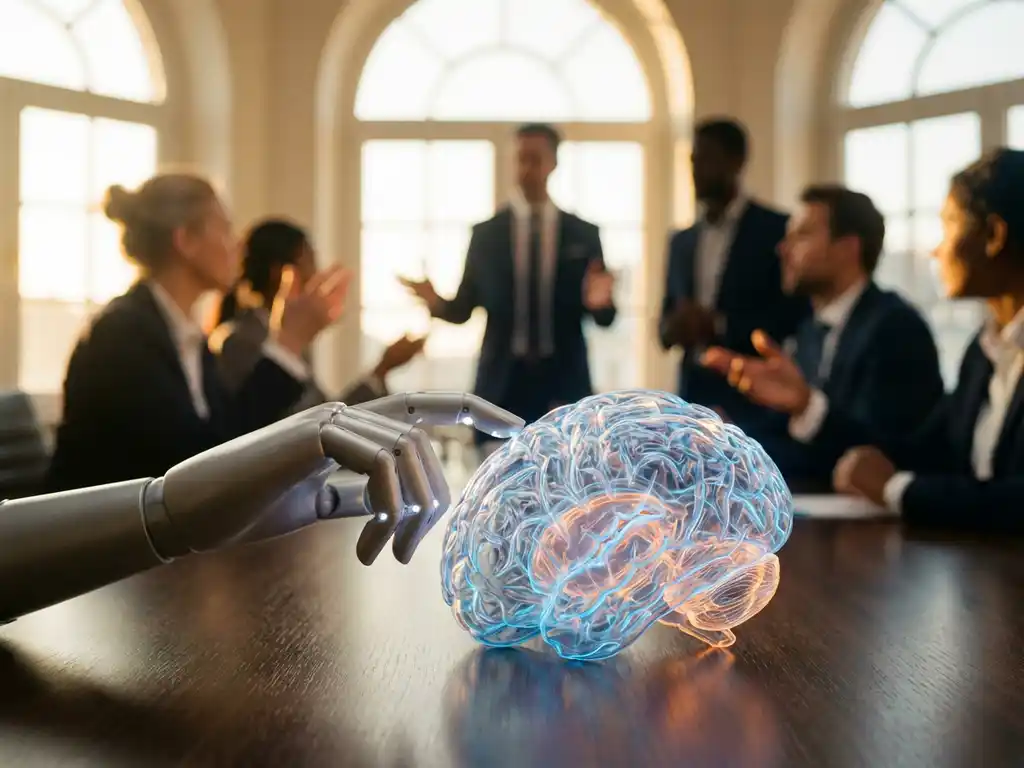
Integrating AI into conscious culture change programmes means combining artificial intelligence technologies with values-driven transformation initiatives that prioritise stakeholder wellbeing. This approach ensures AI serves human development rather than replacing human connection. Successful integration requires ethical frameworks, employee co-creation, and measurement systems that respect privacy whilst tracking meaningful cultural shifts towards conscious business practices.
What does AI integration in conscious culture change actually mean?
AI integration in conscious culture change involves embedding artificial intelligence tools within transformation programmes whilst maintaining a focus on human values, stakeholder inclusion, and ethical decision-making. This means using technology to enhance, rather than replace, the human elements that drive meaningful cultural evolution.
The foundation of this integration rests on values as guardrails for AI implementation. When transparency is a core organisational value, AI systems must be designed so employees can understand how decisions are made. If fairness drives your culture, algorithms need built-in bias detection and correction mechanisms.
A conscious AI implementation strategy differs fundamentally from traditional technology deployment. Rather than imposing AI solutions from management or IT departments, conscious organisations involve employees as co-creators. This collaborative approach taps into tacit knowledge about how work actually gets done—insights no algorithm can discover independently.
Trust becomes a prerequisite for successful integration. Employees only share high-quality data when they believe it will be used responsibly. Without this trust, people game systems and provide misleading information, undermining AI effectiveness. Organisations with high-trust cultures gain enormous advantages because their teams actively contribute ideas for AI improvement.
How can AI tools support conscious leadership development without losing human connection?
AI supports conscious leadership development by providing personalised learning paths, real-time feedback systems, and coaching support that complement rather than replace human interaction. The key is using technology to amplify authentic relationships and create more meaningful development experiences.
Personalised learning becomes possible when AI analyses individual leadership styles, challenges, and growth areas. These systems can recommend specific development activities, suggest relevant content, and track progress over time. However, the actual learning happens through human connection—mentoring conversations, peer feedback, and real-world application.
AI-powered feedback systems can gather continuous input from team members, peers, and stakeholders to provide leaders with comprehensive insights about their impact. This data becomes most valuable when discussed with coaches or mentors who help interpret patterns and develop action plans.
The critical distinction lies in positioning AI as a tool for empowerment rather than control. Conscious leaders use AI to give employees better information and tools, not to micromanage them. When psychological safety enables learning, AI mistakes become opportunities for improvement rather than sources of blame.
Engaged employees see AI as helping them perform better, leading to experimentation and optimisation. Disengaged employees view it as a threat, resulting in resistance that limits value creation. The culture determines whether AI investments succeed or fail.
What are the ethical considerations when using AI in employee engagement programmes?
Ethical AI implementation in employee engagement requires transparency about data collection, algorithmic decision-making processes, and clear boundaries around privacy. Organisations must establish frameworks that prevent discrimination, protect sensitive information, and maintain employee trust throughout the engagement measurement process.
Privacy protection starts with clear communication about what data is collected, how it is used, and who has access. Employees need to understand whether engagement surveys, communication patterns, or performance metrics feed into AI systems. Transparency builds trust, whilst secrecy breeds suspicion and resistance.
Algorithmic bias presents significant risks in engagement programmes. AI systems can perpetuate existing inequalities if not carefully designed and monitored. Regular auditing ensures that engagement measurements do not unfairly disadvantage certain groups or reinforce discriminatory patterns.
Data governance becomes crucial when implementing AI-powered conscious business decisions. Organisations need clear policies about data retention, sharing, and deletion. Employees should have the right to access their data and understand how it influences decisions affecting their careers.
The stakeholder inclusion principle applies directly to AI ethics. Rather than making unilateral decisions about AI use, conscious organisations involve employees in designing systems that affect them. This co-creation approach ensures ethical considerations are embedded from the start rather than added as an afterthought.
Values-driven cultures naturally embed ethical considerations into AI design. The question shifts from “What can this AI do?” to “Should this AI do this, given our values?” This framework prevents ethical drift as technology capabilities expand.
Which AI technologies work best for measuring culture transformation progress?
Sentiment analysis, natural language processing, and pattern recognition technologies effectively measure culture transformation whilst respecting employee privacy. These tools analyse communication patterns, feedback themes, and behavioural indicators to track cultural shifts without invasive monitoring or individual surveillance.
Sentiment analysis tools can process employee feedback, survey responses, and communications to identify cultural trends. Rather than tracking individuals, these systems identify organisation-wide patterns that indicate progress towards conscious business practices. The focus remains on collective cultural health rather than individual performance monitoring.
Natural language processing helps identify emerging themes in employee communications, suggestion boxes, and feedback sessions. This technology can spot early indicators of cultural change, such as increased collaboration language or a growing emphasis on purpose-driven work.
Assessment tools like the CB Scan can be enhanced with AI to provide deeper insights into organisational consciousness levels. These systems can identify patterns across multiple assessments, benchmark progress against conscious business frameworks, and suggest targeted interventions for specific cultural development areas.
Network analysis reveals how information flows through organisations and whether hierarchical barriers are breaking down. This technology can measure the effectiveness of stakeholder inclusion initiatives by tracking cross-departmental collaboration and communication patterns.
The key to successful measurement lies in AI ethics in conscious capitalism—ensuring that measurement serves development rather than surveillance. Employees should benefit from insights generated about their collective culture, with transparency about how data contributes to positive change initiatives.
Organisations with strong stakeholder relationships can gather richer data because people trust that information will be used constructively. This creates a virtuous cycle in which better data leads to more effective cultural interventions, which builds more trust and generates even better data for future improvements.
Integrating AI into conscious culture change programmes requires a careful balance between technological capability and human values. Success depends on building trust, maintaining transparency, and ensuring that artificial intelligence serves the deeper purpose of creating workplaces where people can flourish. The organisations that master this integration gain sustainable competitive advantages that cannot be replicated through technology alone. To begin your organisation’s journey towards conscious AI integration, consider starting with a comprehensive assessment of your current consciousness levels.