
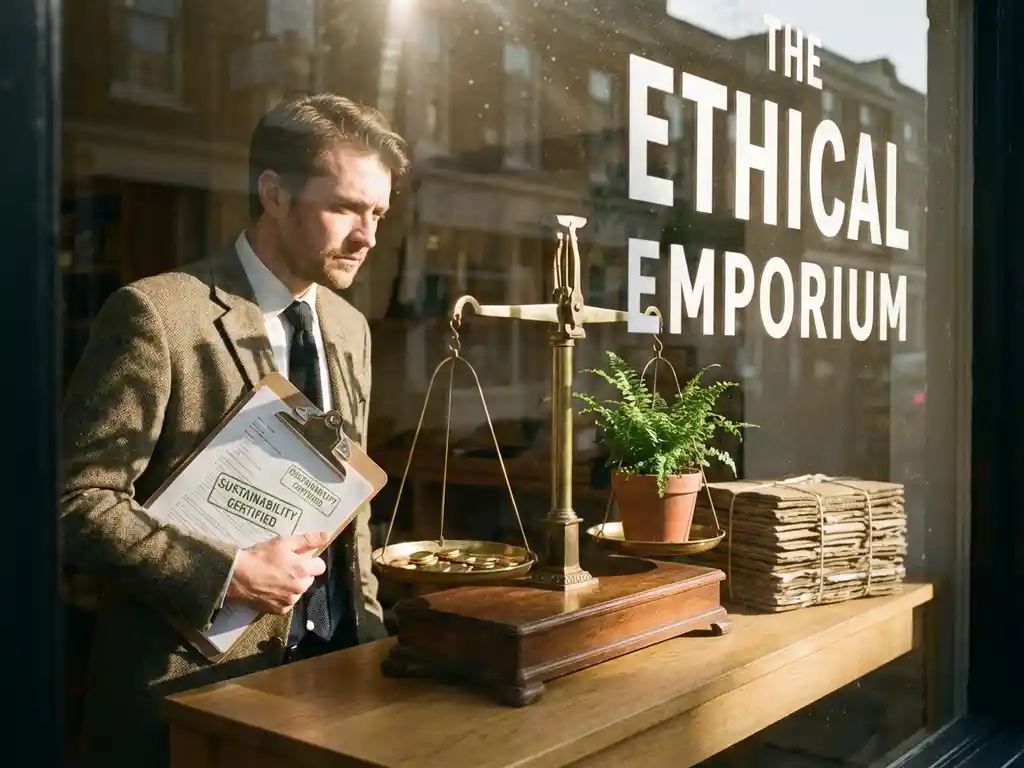
Conscious retailers face challenges that set them apart from businesses in other industries. Retail’s unique characteristics — direct consumer interaction, complex supply chains, and fast inventory cycles — create specific pressures when implementing ethical retail practices.
What makes retail uniquely challenging for conscious business?
Unlike manufacturing or services, retailers must balance immediate consumer expectations with sustainable practices while managing relationships across extensive supplier networks. Several factors make this especially difficult:
- Constant visibility. Customers can instantly compare your prices and practices with competitors, so any commitment to ethical sourcing must be genuine and consistent.
- Inventory velocity. Seasonal demand and rapid stock turnover force quick sourcing decisions that can conflict with long-term sustainable retail strategy.
- Multi-stakeholder complexity. Retailers simultaneously manage suppliers, customers, employees, landlords, communities, and shareholders — each with different expectations and timelines.
Balancing ethical sourcing costs with profitability
Conscious retailers typically face 15–30% higher sourcing costs when choosing ethical suppliers. Successful businesses offset this by:
- Positioning in market segments where customers value ethical practices and accept appropriate premiums.
- Building long-term supplier partnerships that create stability and better pricing over time.
- Leveraging operational efficiencies — ethical suppliers often deliver higher-quality products with lower return rates, while engaged employees show higher productivity and lower turnover.
- Developing circular economy initiatives such as take-back programmes or repair services, which add revenue streams and strengthen customer loyalty.
Supply chain transparency and consumer behaviour
Retail supply chains typically involve 5–15 intermediaries between raw materials and final products, compared to 2–5 in many other industries. Seasonal demand fluctuations push retailers toward temporary suppliers and subcontractors, making consistent ethical standards harder to maintain. Technology solutions such as blockchain tracking and supplier management platforms can help, but the costs and complexity remain a barrier for smaller retailers.
On the consumer side, research shows a clear intention–action gap: 73% of consumers express concern about sustainability, yet only 26% consistently choose ethical products. Conscious retailers must also navigate:
- Price sensitivity. Even values-aligned customers often choose cheaper alternatives at the point of purchase.
- Education demands. Explaining why ethical products cost more and how purchases create positive impact requires dedicated content, staff training, and customer service effort.
- Authenticity scrutiny. Customers expect full consistency between stated values and actual practices — from packaging to employee treatment.
- Limited product range. Ethical sourcing constraints and refusal to stock non-compliant products can frustrate customers used to unlimited choice.
Despite these challenges, conscious retailers who navigate them well often build stronger, more resilient businesses with competitive advantages that are difficult for conventional retailers to replicate. Our 15-minute assessment helps identify where your business stands and provides a roadmap for addressing these unique retail challenges while building sustainable profitability.